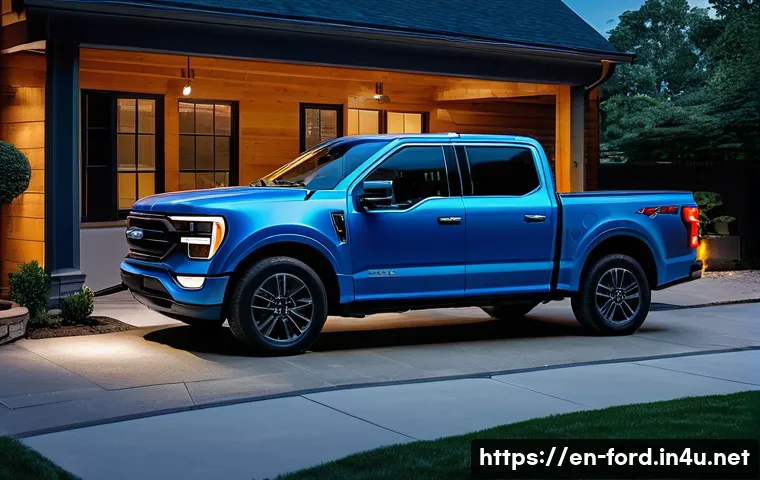
Charging an electric vehicle is a game-changer in how we think about refueling, especially with a powerhouse like the Ford F-150 Lightning. This all-electric truck promises impressive performance, but understanding its charging time is key to making the most of your driving experience.
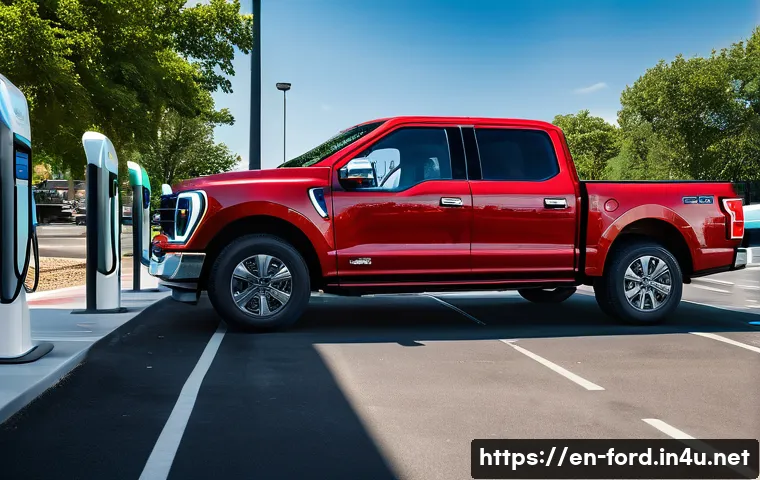
Whether you’re planning a long trip or just topping up around town, knowing how long it takes to recharge can save you time and hassle. With advancements in fast-charging technology, the Lightning is setting new standards for convenience and efficiency.
Let’s dive deeper into the details and get a clear picture of what to expect when charging this innovative electric truck. Stick with me, and I’ll make sure you get all the facts you need!
Understanding Different Charging Options for the Ford F-150 Lightning
Level 1 Charging: The Slow and Steady Approach
Charging the Ford F-150 Lightning using a standard 120-volt household outlet, also known as Level 1 charging, is the slowest method available. This is typically what you’d find in most homes without any special EV charging equipment.
While it might sound convenient since you can just plug in anywhere, the reality is that it adds only about 3 to 5 miles of range per hour. For a truck with a large battery pack like the Lightning, this means a full charge from empty could take several days.
For those who primarily use their truck for short daily trips and have flexible schedules, this method works, but it’s far from ideal if you need quick turnaround times.
Level 2 Charging: Balancing Speed and Accessibility
Upgrading to a Level 2 charger, which runs on 240 volts, drastically cuts down charging times. These chargers are common for home installations and public charging stations.
Level 2 charging typically adds around 20 to 30 miles of range per hour, making it a solid middle ground for everyday use. Installing a Level 2 charger at home can cost a few hundred dollars plus installation fees, but the time saved is often worth the investment.
Many Lightning owners find this option the sweet spot, especially if they can plug in overnight and wake up to a fully charged truck.
DC Fast Charging: When Time is of the Essence
For those moments when speed is critical, DC fast charging is the real game-changer. The Ford F-150 Lightning supports DC fast charging with power levels up to 150 kW.
This means you can charge from 15% to 80% battery capacity in roughly 40 minutes, which is impressive for a full-size electric truck. The convenience of topping up during a coffee break or quick lunch is a huge plus for anyone on the go.
However, fast chargers aren’t as widespread as Level 2 units, so planning your route around available fast charging stations is essential for long-distance travel.
How Battery Size Influences Charging Times
Standard vs. Extended Range Battery Packs
The Ford F-150 Lightning comes with two battery options: the standard-range and the extended-range pack. Naturally, the larger extended-range battery takes longer to charge simply because it holds more energy.
While the standard battery might reach a full charge faster, it also offers less driving range, meaning more frequent charging stops on longer trips. Deciding between these two often depends on your typical driving habits and whether you prioritize range over charging convenience.
Impact of Battery State of Charge on Charging Speed
Charging speed isn’t linear; it tends to slow down as the battery approaches full capacity. In the initial phase, the battery can accept a high charge rate, but once it hits around 80%, the charging rate tapers off to protect battery health.
This means those last 20% take longer to fill than the earlier portions, so if you’re in a hurry, it’s often smarter to charge up to 80% and then hit the road, rather than waiting for a 100% charge.
Temperature’s Role in Charging Efficiency
Battery temperature can significantly affect charging times. In cold weather, the battery management system may limit charging speed to prevent damage, resulting in slower charging sessions.
Conversely, moderate temperatures allow the battery to charge at optimal speeds. Ford has integrated thermal management systems in the Lightning to help mitigate these effects, but real-world conditions still play a big role in how quickly you can juice up.
Real-World Charging Experiences and Tips
Charging at Home: Making the Most of Overnight Sessions
In my own experience, having a Level 2 charger at home transformed how I use the Lightning. Plugging in every night means I rarely start the day with less than a full battery, eliminating range anxiety for daily commutes.
It’s become routine, just like charging a smartphone before bed. Investing in a smart charger with scheduling features also lets me take advantage of lower electricity rates during off-peak hours, saving money while keeping the truck ready to roll.
Public Charging Challenges and How to Overcome Them
Public charging can be a mixed bag. Sometimes stations are occupied, out of service, or incompatible with your vehicle’s connector. I’ve learned to use apps that show real-time availability and reviews of charging stations to avoid wasted trips.
Also, carrying a portable Level 1 charger as a backup has saved me on a couple of occasions when fast chargers weren’t accessible. Planning ahead is key—knowing where chargers are along your route takes the stress out of longer drives.
Optimizing Fast Charging Sessions
When using DC fast chargers, I try to time my stops around meal breaks or errands. Since the charging rate slows after 80%, it’s more efficient to unplug and continue your journey rather than waiting for a full 100%.
This approach balances time spent charging with actual driving time, making trips smoother. Additionally, pre-conditioning the battery while the vehicle is still plugged in helps improve charging speed, especially in colder weather.
Charging Infrastructure and Network Options
Growing Availability of Public Chargers
The public charging network for electric vehicles is expanding rapidly. Ford has partnered with various charging networks to provide Lightning owners access to thousands of charging stations across the country.
This includes both Level 2 and DC fast chargers. Apps like FordPass make it easier to locate chargers compatible with your truck, check availability, and even reserve spots in some cases.
The increasing number of chargers means less time hunting for a place to plug in and more time enjoying the drive.
Cost Considerations at Public Chargers
Charging costs vary widely depending on the network, location, and charger type. Some public Level 2 chargers are free, especially in shopping centers or workplaces, while fast chargers typically charge per kWh or per minute.
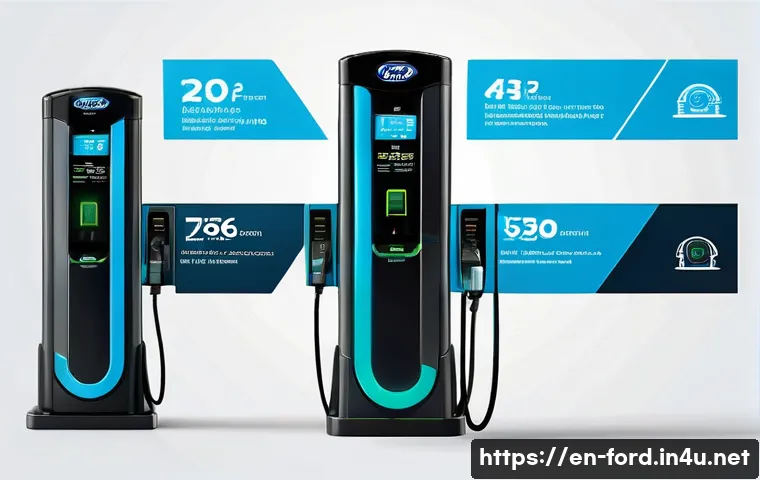
Pricing can range from a few cents to over 50 cents per kWh in some urban areas. Understanding these rates helps avoid surprises on your bill. Many drivers keep a small budget for charging costs, just like they would for fuel, but the overall expense tends to be lower with electricity.
Home Charging Installation and Incentives
Installing a Level 2 charger at home involves selecting the right unit, ensuring your electrical panel can handle it, and hiring a certified electrician.
Fortunately, many states and utilities offer rebates or tax credits for EV charger installations, reducing upfront costs. Checking for these incentives can make the investment more affordable.
It’s also worth considering future-proofing your setup to support even faster chargers as technology evolves.
Comparing Ford F-150 Lightning Charging Times with Other EVs
How the Lightning Stacks Up Against Other Electric Trucks
Compared to other electric trucks like the Rivian R1T or Tesla Cybertruck, the Ford F-150 Lightning holds its own in charging speed and convenience. While each model has unique battery sizes and charging capabilities, the Lightning’s support for 150 kW DC fast charging is competitive, providing practical charge times for real-world use.
Its widespread availability and Ford’s strong dealer network also make accessing service and support easier.
Charging Speeds Relative to Electric SUVs and Sedans
Electric SUVs and sedans generally have smaller battery packs, which naturally translates to quicker charging times. For example, a Tesla Model 3 or Ford Mustang Mach-E can often charge faster simply because their batteries hold less energy.
However, the trade-off is range and utility. The Lightning’s ability to haul and tow with a large battery means slightly longer charging times, but it still fits well within everyday usability for most owners.
Summary Table of Charging Times by Charger Type
| Charging Method | Voltage | Charging Speed (Miles Added per Hour) | Approximate Full Charge Time | Best Use Case |
|---|---|---|---|---|
| Level 1 (Standard Outlet) | 120V | 3-5 miles | 2-3 days | Emergency, minimal daily use |
| Level 2 (Home/Public Charger) | 240V | 20-30 miles | 8-12 hours | Overnight home charging, daily use |
| DC Fast Charging | 400V+ (varies) | Up to 100+ miles in 30 minutes | 40 minutes (15-80%) | Quick top-ups, long-distance travel |
Maintaining Battery Health for Optimal Charging Performance
Best Practices to Extend Battery Lifespan
To keep the Ford F-150 Lightning’s battery in top shape, it’s important to avoid extreme charging habits. Regularly charging to 100% or letting the battery drain completely can degrade battery health over time.
Instead, aiming for a daily charge between 20% and 80% preserves capacity and ensures consistent charging speed. My personal routine involves setting a daily charge limit on the vehicle’s software, which helps me stick to this range without thinking about it.
How Software Updates Improve Charging Efficiency
Ford continuously releases over-the-air updates that can improve charging algorithms and battery management. I noticed that after a few updates, charging times became a bit faster and more consistent, especially in cooler weather.
This kind of ongoing improvement means the Lightning’s charging experience can get better over time without needing hardware changes, which is a huge plus for long-term owners.
Recognizing When Battery Service is Needed
If you ever notice a sudden drop in charging speed or range, it might be a sign the battery needs attention. The vehicle’s diagnostic system will usually alert you if something is off, but staying attentive to charging patterns and performance helps catch issues early.
Regular maintenance and professional checks ensure your truck’s battery stays reliable, which ultimately saves time and money in the long run.
Wrapping Up
Charging the Ford F-150 Lightning offers a variety of options to fit different lifestyles and needs. Whether you prefer the slow and steady Level 1, the balanced Level 2, or the speedy DC fast charging, there’s a solution for every situation. Understanding how battery size, temperature, and charging habits affect performance can help you make the most of your electric truck. With the growing charging infrastructure and smart planning, owning a Lightning becomes both practical and convenient.
Useful Tips to Keep in Mind
1. Always consider your daily driving habits before choosing a charging method to match your routine efficiently.
2. Installing a Level 2 charger at home can save time and reduce range anxiety with overnight charging.
3. Use apps to locate and check availability of public chargers, especially when planning longer trips.
4. When fast charging, aim to unplug around 80% to optimize time without compromising battery health.
5. Keep your battery between 20% and 80% charge regularly to extend its lifespan and maintain performance.
Key Takeaways
Choosing the right charging method depends on your schedule, driving needs, and budget. Level 1 is best for emergency or minimal use, Level 2 suits daily charging with reasonable speed, and DC fast charging is ideal for quick top-ups on the go. Battery size and temperature impact charging times, so understanding these factors helps set realistic expectations. Planning ahead with charging apps and home infrastructure ensures a smooth ownership experience. Finally, maintaining healthy charging habits and keeping up with software updates will maximize your truck’s battery longevity and efficiency.
Frequently Asked Questions (FAQ) 📖
Q: How long does it take to fully charge the Ford F-150 Lightning at home?
A: Charging the Ford F-150 Lightning at home with a standard 240-volt Level 2 charger typically takes around 8 to 10 hours for a full charge. This means you can easily plug in overnight and wake up to a fully charged truck.
Of course, the exact time can vary depending on your home charger’s power output and the battery size of your specific Lightning model. From my experience, having a Level 2 charger at home is a game-changer for daily convenience, making it feel just like filling up a gas tank but without the frequent stops.
Q: Can the Ford F-150 Lightning charge quickly on the road?
A: Absolutely! The F-150 Lightning supports DC fast charging, which can add about 54 miles of range in just 10 minutes using a 150 kW fast charger. Charging from 15% to 80% typically takes around 40 minutes under ideal conditions.
This fast-charging capability is perfect for road trips or when you’re in a rush. I’ve personally found that planning stops at fast chargers breaks up long drives nicely without feeling like a major delay, especially compared to traditional gas station stops.
Q: What factors affect the charging time of the Ford F-150 Lightning?
A: Several factors influence how quickly your F-150 Lightning charges. Temperature plays a big role—cold weather can slow charging speeds, while moderate temperatures help optimize performance.
The charger’s power level is another key factor; a higher kW charger will fill your battery faster. Also, the battery’s current charge level matters—charging slows down as you approach full capacity to protect battery health.
From what I’ve observed, keeping an eye on these factors and planning your charging sessions accordingly makes the whole experience smoother and less stressful.