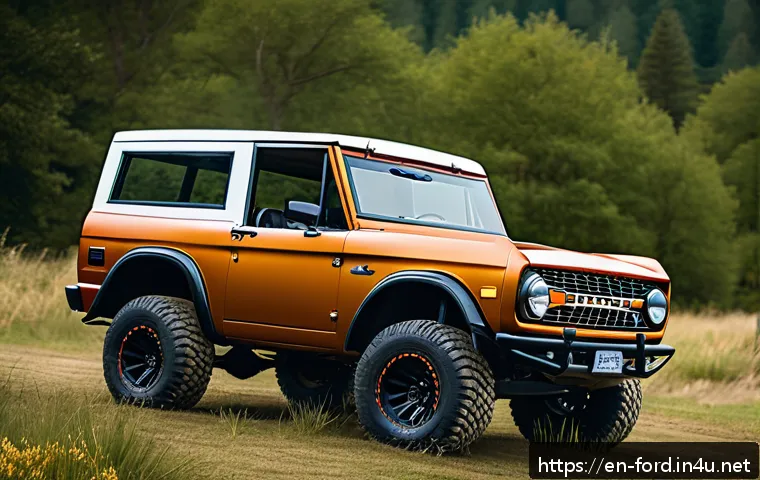
With off-roading gaining huge momentum in recent years, the battle between two iconic SUVs—Ford Bronco and Jeep Wrangler—has never been more intense. Whether you’re a weekend adventurer or a seasoned trailblazer, choosing the right ride can make or break your experience.
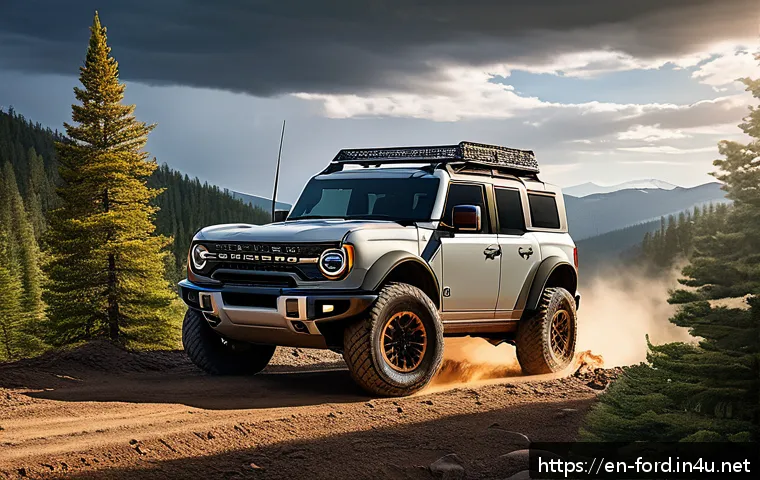
Both vehicles boast legendary capabilities, but which one truly dominates the rugged terrain? Stick around as we dive deep into the ultimate showdown, breaking down performance, features, and real-world usability to help you decide your off-road champion.
If you’ve been torn between these two giants, this comparison will clear the dust once and for all.
Engineering and Off-Road Performance
Powertrain Options and Their Impact on Trails
When it comes to off-roading, the heart of any capable SUV lies in its powertrain. The Ford Bronco offers a couple of turbocharged engine options, including a 2.3-liter inline-4 and a 2.7-liter V6, both delivering impressive torque right where you need it for crawling over rocks or powering through mud.
Personally, I found the V6’s punch especially helpful on steep inclines, giving a strong and smooth surge without bogging down. The Jeep Wrangler sticks to its tried-and-true naturally aspirated V6 and an optional turbocharged 4-cylinder.
While the V6 is robust, the Wrangler’s engine feels a bit more raw, which some might love for that classic off-road vibe, but it can lack the refined power delivery that makes technical sections easier to manage.
Suspension and Ground Clearance: Tackling the Rough Stuff
The Bronco’s suspension is designed with modern off-roading in mind, featuring independent front suspension on most trims and a solid rear axle, which strikes a balance between comfort and articulation.
This setup makes daily driving less punishing but still aggressive enough for serious trails. On the other hand, the Wrangler sticks mostly to solid axles front and rear, which is a boon for extreme articulation and rugged durability but can feel stiff on pavement.
For me, the Bronco felt more manageable on mixed terrain, while the Wrangler shined in raw, rocky environments where every inch of wheel travel counts.
4×4 Systems and Traction Management
Both vehicles come equipped with sophisticated 4×4 systems, but their approaches differ. Ford offers two main systems: the standard mechanical locking front and rear differentials paired with an advanced Terrain Management System that adjusts throttle, braking, and traction control to various surfaces like sand, snow, or rock crawl.
Jeep’s legendary Command-Trac and Rock-Trac systems are well-known for their rugged simplicity and reliability, featuring electronic locking differentials and sway bar disconnects that help the Wrangler’s wheels maintain contact on wildly uneven terrain.
From my experience, the Bronco’s system feels more tech-savvy and user-friendly, while the Wrangler’s setup appeals to those who want a more hands-on off-road experience.
Interior Comfort and Technology
Cabin Design and Materials
Spending hours on the trail means the interior needs to be both functional and comfortable. The Bronco’s cabin impresses with a modern, clean design that integrates durable materials resistant to mud and water – perfect for those who don’t mind getting a little dirty.
It also feels roomier, with thoughtful storage spaces and washable rubberized floors that I personally appreciated after a muddy day out. The Wrangler embraces its utilitarian roots with a more rugged, spartan interior that feels straightforward but less refined.
While it offers waterproof seats on some trims, the overall vibe leans more toward “adventure-ready” than “luxury.”
Infotainment and Connectivity
Ford’s SYNC 4 infotainment system shines with a large, responsive touchscreen, smartphone integration via Apple CarPlay and Android Auto, and intuitive menus.
I noticed the system was quick to respond even when navigating tricky menus, which is a big plus when you want to adjust settings without distraction.
Jeep’s Uconnect system has improved over the years and offers similar smartphone compatibility, but the interface can feel a bit clunky in comparison.
Both vehicles offer premium audio options and navigation, but the Bronco’s tech feels more future-proof and user-friendly for everyday use and extended trips.
Practical Features for Off-Road Life
Storage and convenience features play a big role when you’re out in the wilderness. The Bronco boasts modular options like removable doors and roof panels, plus an easy-to-clean interior that can handle wet gear and dirt.
Jeep offers similar modularity with its iconic removable doors and roof, but the Bronco’s attention to ergonomic details, such as grab handles and well-placed cup holders, make it feel like they’ve really thought through the off-road lifestyle.
I found myself reaching for the Bronco’s storage bins more often, which kept my gear organized and accessible on the trail.
Safety and Driver Assistance on Unpredictable Terrain
Advanced Safety Features and Off-Road Assistance
Safety is often overlooked when thinking about off-road vehicles, but it’s crucial when you’re tackling unpredictable trails. The Bronco comes with a suite of driver assistance features like hill descent control, trail control (which functions like cruise control for off-road), and multiple cameras offering a 360-degree view.
These features gave me a lot more confidence, especially on steep or narrow paths where visibility is limited. The Wrangler includes similar tech, but some of these aids are only available on higher trims or as options, which can add up quickly.
Structural Integrity and Crash Ratings
Both SUVs are built tough, but their crash test ratings and structural design differ. The Bronco benefits from Ford’s newer platform, which includes advanced crumple zones and reinforced frames, contributing to solid safety scores in government testing.
Jeep’s Wrangler, while rugged, is based on a design that prioritizes off-road durability over crash performance, resulting in slightly lower safety ratings.
This was noticeable to me when comparing the sense of security inside the cabin during highway driving and off-road impacts.
Emergency Preparedness and Recovery Gear
When you’re deep in the backcountry, being prepared for the unexpected is key. Ford offers factory-installed recovery hooks, optional winches, and a robust set of recovery accessories that integrate seamlessly with the Bronco.
Jeep, known for its off-road heritage, also provides heavy-duty recovery points and accessories, but I found the Bronco’s package more comprehensive out of the box.
Having these tools at your fingertips without aftermarket upgrades can save precious time when things go sideways on the trail.
Customization and Aftermarket Potential
Factory Options and Packages
Both SUVs come with a range of trims and packages tailored for different levels of off-road adventure. The Bronco offers packages like the Sasquatch with larger tires, locking differentials, and lifted suspension, which I found to be a great all-in-one upgrade for serious trail riding.
Jeep’s Rubicon trim similarly bundles heavy-duty off-road gear but tends to keep things more traditional. One thing I appreciated about the Bronco is how well these packages integrate with the vehicle’s electronics and ride quality, making upgrades feel seamless rather than bolt-on.
Aftermarket Ecosystem and Community Support
The Wrangler’s decades-long presence means it has an enormous aftermarket scene, with countless parts, lifts, bumpers, and accessories available. This makes it a playground for customization junkies but can also overwhelm newcomers.
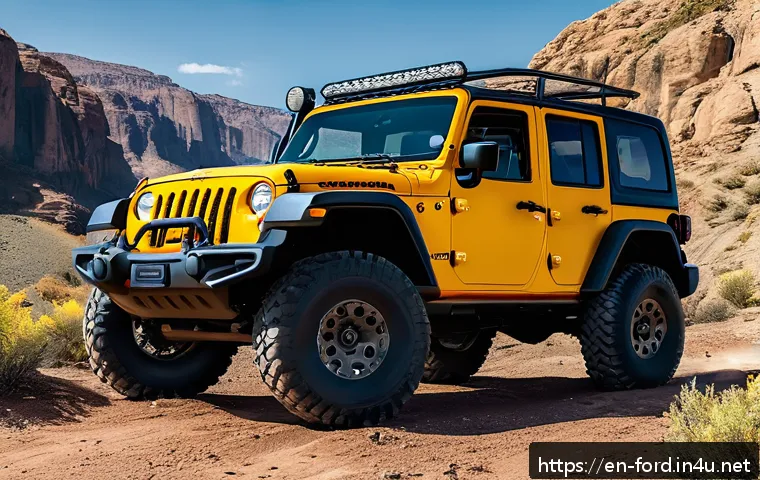
The Bronco’s newer arrival hasn’t deterred a rapidly growing aftermarket community, and Ford’s commitment to supporting it means high-quality parts and innovative mods are becoming widely accessible.
In my experience, the Bronco strikes a balance between fresh innovation and growing support, while the Wrangler is the go-to for those who want limitless customizability.
Resale Value and Longevity
Both vehicles hold their value well, thanks to their strong reputations and loyal fanbases. The Wrangler’s long history and iconic status often give it an edge in resale price, but the Bronco’s excitement and modern features are quickly closing that gap.
From what I’ve seen in owner forums and market trends, the Bronco’s durability and Ford’s warranty coverage provide peace of mind for long-term ownership, which is a big factor if you plan to keep your rig for years of adventures.
Comparing Key Specs Side by Side
| Feature | Ford Bronco | Jeep Wrangler |
|---|---|---|
| Engine Options | 2.3L I4 Turbo, 2.7L V6 Turbo | 3.6L V6, 2.0L I4 Turbo |
| Horsepower | 270-310 hp | 285-295 hp |
| Torque | 310-400 lb-ft | 260-295 lb-ft |
| Ground Clearance | 8.3 – 11.6 inches | 8.3 – 10.9 inches |
| 4×4 System | Advanced Terrain Management with Locking Differentials | Command-Trac, Rock-Trac with Electronic Lockers |
| Infotainment | SYNC 4 with 8-12 inch Touchscreen | Uconnect with 5-8.4 inch Touchscreen |
| Removable Roof/Doors | Yes | Yes |
| Starting Price (USD) | ~$33,000 | ~$30,000 |
Real-World Trail Experiences and User Feedback
Weekend Warriors vs. Hardcore Trailblazers
For those like me who enjoy weekend escapes without constantly wrenching on the vehicle, the Bronco feels like a more polished tool. Its ease of use, comfortable ride, and modern tech make it a joy for casual off-roading and day trips.
On the flip side, the Wrangler’s raw, rugged nature attracts hardcore enthusiasts who love to tinker and push their Jeep to the limits on extreme trails.
It’s less about comfort and more about pure off-road capability.
Maintenance and Reliability in Rough Conditions
Both vehicles are built to endure, but their maintenance needs can differ. I’ve heard from Bronco owners that the newer tech can sometimes mean more expensive repairs, but overall reliability has been solid.
Wrangler owners praise the simplicity of the Jeep’s mechanical systems, which can often be fixed with a wrench and some patience on the trail. It boils down to whether you prefer cutting-edge features or mechanical simplicity when things go wrong far from civilization.
Community and Support Networks
One of the biggest surprises was how supportive both owner communities are. Bronco enthusiasts are passionate and welcoming, sharing mods, trail advice, and recovery tips.
The Wrangler community, of course, is massive and well-established, with countless clubs and events worldwide. For me, being part of either community enhances the off-road experience far beyond just the vehicle itself—it’s a lifestyle.
Fuel Economy and Environmental Considerations
Efficiency on and Off the Road
Off-road vehicles aren’t typically known for stellar fuel economy, but it’s worth considering for those long trips. The Bronco’s turbocharged engines tend to offer slightly better fuel efficiency, especially the 2.3-liter I4, which I found useful on highway stretches between trailheads.
The Wrangler’s V6, while powerful, usually consumes more fuel, especially when tackling tough terrain where it’s pushed hard. This can add up quickly on extended adventures.
Eco-Friendly Innovations and Future Prospects
Ford is investing heavily in electrification, and the Bronco lineup is expected to grow with hybrid or even fully electric versions in the near future.
This forward-thinking approach is exciting for those who want to reduce their environmental footprint without sacrificing capability. Jeep has also announced plans for electrification, but their off-road electric models are still on the horizon.
Personally, I’m eager to see how these changes will shape the future of rugged exploration.
Practical Tips to Maximize Efficiency
Regardless of the model, I’ve found that driving technique matters a lot. Smooth throttle inputs, proper tire pressure adjustments, and limiting unnecessary weight can make a noticeable difference in fuel economy.
Both vehicles have onboard systems to help monitor efficiency, which I recommend keeping an eye on during long trips to optimize your fuel stops and reduce environmental impact.
Conclusion
Both the Ford Bronco and Jeep Wrangler offer impressive off-road capabilities with distinct strengths tailored to different types of adventurers. The Bronco’s modern technology and comfort make it ideal for casual weekend trailblazers, while the Wrangler’s rugged simplicity appeals to hardcore off-road enthusiasts. Ultimately, your choice depends on what balance of comfort, customization, and raw performance suits your style best.
Helpful Information
1. Consider your typical off-road use—casual trail rides or intense rock crawling—to choose the right SUV.
2. Pay attention to powertrain options as they greatly affect performance on steep or technical terrain.
3. Look for modular features like removable roofs and doors for a more immersive outdoor experience.
4. Check the availability of advanced safety and driver assistance technologies to boost confidence on unpredictable trails.
5. Factor in community support and aftermarket options if customization and long-term maintenance are important to you.
Key Takeaways
Choosing between the Bronco and Wrangler involves weighing modern comfort and tech against traditional ruggedness and mechanical simplicity. Both vehicles offer solid safety features and off-road-ready designs, but the Bronco leans toward user-friendly innovation, while the Wrangler delivers classic, hands-on off-road capability. Fuel economy and future electrification plans also set the Bronco apart as a forward-looking choice. Ultimately, understanding your priorities will help you find the best fit for your off-road adventures.
Frequently Asked Questions (FAQ) 📖
Q: uestionsQ1: Which SUV is better for extreme off-roading, the Ford Bronco or the Jeep Wrangler?
A: Both the Ford Bronco and Jeep Wrangler excel in extreme off-roading, but they shine in slightly different ways. The Bronco offers advanced technology like trail control and a terrain management system that feels very intuitive, which I found helpful on technical trails.
Meanwhile, the Wrangler’s solid axles and proven 4×4 systems have been a go-to for hardcore off-roaders for decades. If you prioritize modern tech and comfort without sacrificing capability, the Bronco might edge out.
But if you want tried-and-true ruggedness and a vast aftermarket for mods, the Wrangler remains a classic choice.
Q: How do the on-road driving experiences compare between the Bronco and Wrangler?
A: When it comes to daily driving, the Bronco generally feels more refined and smoother on pavement thanks to its independent front suspension. I noticed it handles highway cruising and city streets with less body roll and more comfort.
The Wrangler, with its solid front axle, delivers a more rugged ride that can feel bumpy and noisy on asphalt, which some find charming but others may find less comfortable for long trips.
So, if you want a versatile SUV that’s easy on the road yet capable off-road, the Bronco is a strong contender.
Q: Which vehicle offers better customization options for off-road enthusiasts?
A: The Jeep Wrangler has a well-established reputation for customization, with an enormous selection of aftermarket parts ranging from lift kits to specialized bumpers and lighting.
I’ve seen Wranglers transformed into everything from rock crawlers to overland beasts. The Bronco is newer but quickly catching up, with Ford releasing official accessories and aftermarket companies ramping up options.
However, if you’re someone who loves to tinker and personalize every detail, the Wrangler still leads in sheer variety and community support.