With the surge in van life popularity and remote work freedom, transforming a Ford Transit van into a cozy camper has never been more exciting. Whether you’re dreaming of weekend getaways or full-time travel, these versatile vans offer the perfect blank canvas for your adventure.
In this post, we’ll explore practical tips, clever hacks, and inspiring builds that bring your camper dreams to life. If you’ve ever wondered how to maximize space, boost comfort, or personalize your van, stick around—there’s something here for every aspiring nomad.
Let’s dive into the world of Ford Transit camper conversions and turn those travel fantasies into reality!
Optimizing Layout for Maximum Living Space
Smart Bed Solutions That Save Space
When it comes to fitting a comfortable bed inside a Ford Transit, creativity is key. I found that a foldable or convertible bed setup works wonders for maximizing daytime space.
For instance, a Murphy bed style or a bench seat that transforms into a bed can free up valuable floor space during the day, allowing for more room to move around or work.
Installing a memory foam mattress topper adds a layer of comfort without taking up extra space. From personal experience, opting for a bed that folds vertically against the wall gave me the flexibility to switch between living and sleeping modes effortlessly.
Multi-functional Furniture Ideas
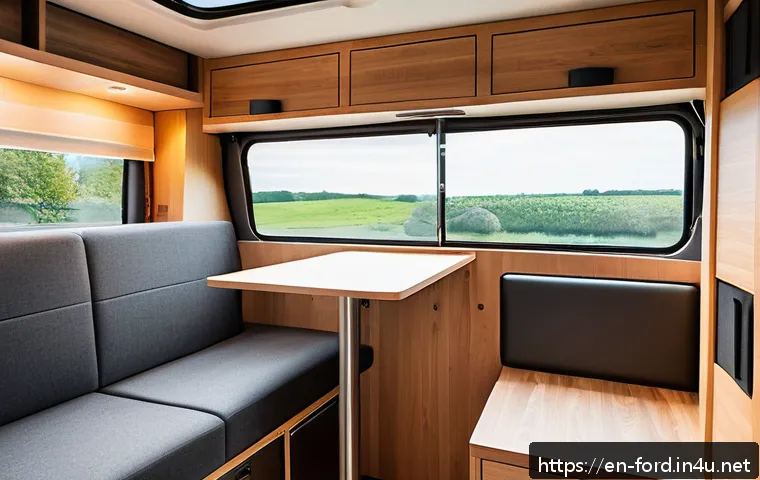
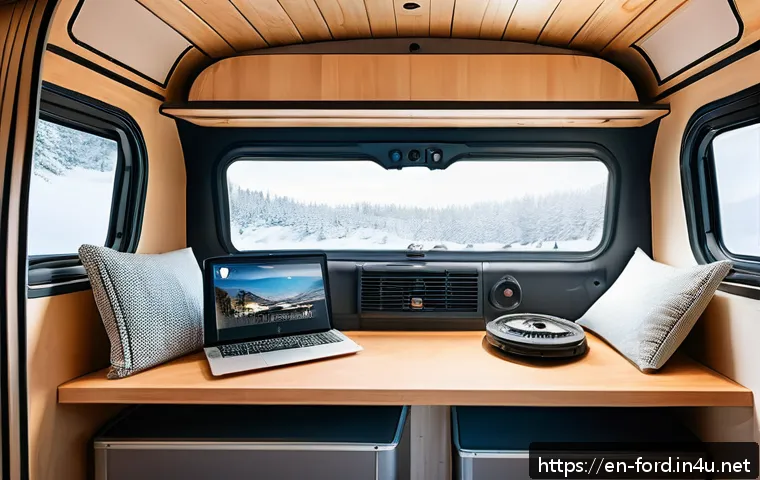
Incorporating furniture that serves multiple purposes is a game-changer in a compact camper van. I installed a swivel table that doubles as a desk and dining table, which was perfect for my remote work needs and meal times.
Adding storage under seating areas or using ottomans with hidden compartments helped me stash away gear without clutter. Custom cabinetry with sliding drawers rather than doors made it easier to access items in tight quarters.
These multifunctional pieces not only optimize space but also keep the van organized and cozy.
Utilizing Vertical Space Efficiently
Don’t underestimate the power of vertical space in your conversion. Wall-mounted shelves, hanging nets, and magnetic strips for kitchen utensils are fantastic for keeping things off the floor.
I personally installed a fold-down desk that tucks away when not in use and a pegboard for tools and gadgets, which kept everything accessible and neat.
Overhead cabinets with soft-close hinges prevent rattling while driving and add a polished look to the interior. Maximizing vertical space is essential to maintaining an open feel inside the van.
Creating a Functional Kitchen in a Compact Space
Choosing the Right Appliances
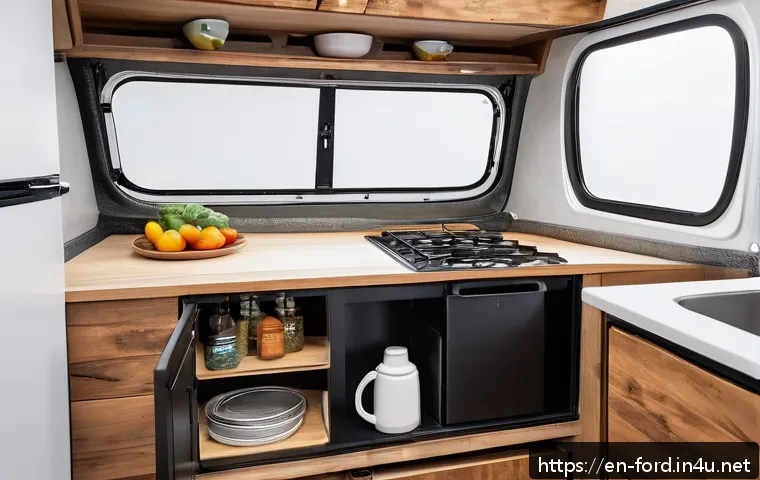
Selecting appliances that fit your cooking style and space constraints is crucial. I went for a two-burner propane stove paired with a small but efficient 12V fridge.
This combo allowed me to cook a variety of meals without sacrificing too much counter space. Induction cooktops are another great option if you prefer electric, but you need to ensure your battery system can handle the load.
Compact microwaves or toaster ovens can also be added if you have the power budget, but I found simplicity often leads to less stress and easier maintenance.
Maximizing Counter and Storage Areas
Counter space is often the biggest challenge in van kitchens. I installed a removable countertop extension that clips on when needed and folds down when cooking is done.
Sliding drawers beneath the counter provide organized storage for utensils, pots, and pantry items. Using stackable containers and clear jars helps keep everything visible and accessible.
I also found that magnetic spice racks on the wall saved precious drawer space and kept my favorite seasonings within arm’s reach.
Efficient Water and Waste Systems
For fresh water, I opted for a built-in 15-gallon tank with a foot pump sink faucet, which worked well for quick handwashing and basic cooking tasks. Greywater tanks underneath the sink allowed me to keep the system self-contained and environmentally friendly.
I recommend using biodegradable soaps to minimize impact during dumping. Setting up a portable composting toilet or a small cassette toilet was a game changer for off-grid comfort and convenience.
Heating and Insulation for Year-Round Comfort
Choosing the Best Insulation Materials
Proper insulation is the foundation of a comfortable camper van. I used a combination of foam board insulation and reflective radiant barriers to keep the van warm in winter and cool in summer.
Closed-cell spray foam is excellent for filling gaps and preventing drafts but can be pricey. Don’t forget to insulate the floor and ceiling thoroughly, as heat loss often occurs there.
Adding insulated window covers or thermal curtains made a noticeable difference in maintaining interior temperature.
Effective Heating Options
For heating, I installed a diesel-powered air heater that runs quietly and efficiently, perfect for cold mornings. It’s compact and uses minimal fuel, which suited my full-time traveling lifestyle.
Propane heaters are another option but require careful ventilation. Electric space heaters can work if you have a robust solar and battery setup, but I found they drained power too quickly for extended use.
Layering your bedding and wearing thermal clothing inside helps complement your heating system and reduce energy consumption.
Ventilation and Airflow Management
Good airflow is essential to avoid condensation and keep fresh air circulating. I installed a roof vent fan with variable speed control that I could adjust depending on weather conditions.
Opening windows with bug screens also helped during warmer months. Positioning intake and exhaust vents strategically promotes natural airflow throughout the van.
I learned that keeping moisture levels low inside by wiping down surfaces and using moisture absorbers prevents mold and keeps the interior feeling fresh.
Electrical Systems and Power Management
Setting Up a Reliable Power Source
Solar panels are the heart of my off-grid power setup. I installed flexible solar panels on the roof connected to a lithium-ion battery bank inside. This setup reliably powers my lights, fridge, laptop, and small appliances.
I recommend a solar charge controller with MPPT technology to maximize energy harvest. For backup, I keep a portable generator, but with a properly sized system, you can avoid noisy fuel-based backups altogether.
Designing Efficient Lighting and Outlets
LED lights throughout the van keep energy consumption low while providing ample brightness. I installed dimmable overhead lights and task lighting around the kitchen and bed areas.
USB outlets and 120V AC outlets powered by an inverter cover all my device charging needs. Having switches conveniently placed near entry points and workspaces makes daily use seamless.
I found that grouping electrical components in a dedicated panel made troubleshooting much easier.
Monitoring and Safety Features
Installing a battery monitor display helped me track power levels and avoid unexpected shutdowns. I also added fuses and circuit breakers for each circuit to protect against overloads.
Carbon monoxide and propane detectors are non-negotiable safety additions for any camper van. A smoke detector and a fire extinguisher complete the safety setup.
These features gave me peace of mind, especially when sleeping or cooking inside the van.
Creative Storage Solutions to Declutter Your Space
Hidden Compartments and Underfloor Storage
One of the smartest ways to add storage is by utilizing underfloor space. I built a raised floor with compartments underneath to store tools, emergency kits, and bulky items.
This hidden storage keeps the living area tidy and maximizes every inch of space. It’s perfect for stashing rarely used gear without cluttering the main cabin.
The compartments are secured with latches to prevent shifting during travel.
Wall-Mounted and Ceiling Storage
Wall-mounted baskets, mesh nets, and hanging organizers are great for lightweight items like clothes, books, and toiletries. I installed a ceiling hammock net above the bed area to store soft items such as jackets and blankets.
Magnetic strips and hooks on the walls keep keys, knives, and small tools accessible but out of the way. These vertical storage ideas keep the floor clear and make the van feel more spacious.
Portable and Modular Storage Options
Having modular storage bins that can be moved in and out of the van adds flexibility to your setup. I use stackable plastic containers with secure lids for food and gear, which help during loading and unloading.
Collapsible fabric bins work well for laundry or recyclables. This modular approach lets you customize storage based on your trip length or needs without permanent fixtures.
Essential Tools and Materials for a Smooth Conversion
| Category | Item | Purpose | Personal Tip |
|---|---|---|---|
| Insulation | Foam board, Reflective foil | Thermal regulation and soundproofing | Layer multiple materials for best results |
| Electrical | Solar panels, Lithium batteries, Charge controller | Power generation and storage | Invest in MPPT controllers for efficiency |
| Furniture | Foldable bed frame, Swivel table | Space-saving and multifunctional use | Test layouts with cardboard mockups first |
| Plumbing | Water tanks, Foot pump sink, Greywater tank | Freshwater supply and waste management | Use biodegradable soaps to protect environment |
| Heating | Diesel heater, Insulation materials | Warmth during cold weather | Ensure proper ventilation for safety |
| Storage | Underfloor compartments, Wall nets | Maximize available space | Keep heavy items low and balanced |
In Conclusion
Optimizing your van’s layout and systems transforms a compact space into a comfortable, functional home on wheels. Through thoughtful design and clever solutions, you can maximize every inch without sacrificing comfort. Whether it’s smart furniture choices or efficient power setups, these strategies make life on the road enjoyable and hassle-free. From my own experience, a well-planned build truly enhances the freedom and flexibility of van living.
Helpful Tips to Remember
1. Prioritize multi-functional furniture to save space and add versatility to your daily routine.
2. Use vertical storage options to keep the floor area open and maintain a spacious feel.
3. Choose appliances and heating systems that match your power availability and lifestyle needs.
4. Regularly monitor your electrical system and safety devices to ensure reliability and peace of mind.
5. Incorporate hidden and modular storage solutions to keep your living area neat and adaptable.
Key Takeaways
Effective van conversion depends on maximizing space through smart layout and multifunctional elements. Proper insulation and heating ensure comfort year-round, while a well-designed electrical system supports your off-grid lifestyle reliably. Prioritizing safety with detectors and circuit protection is essential. Lastly, creative storage solutions help keep your van organized and clutter-free, making daily life more enjoyable and stress-free.
Frequently Asked Questions (FAQ) 📖
Q: How can I maximize the limited space inside a Ford Transit camper van?
A: Maximizing space in a Ford Transit camper starts with smart, multi-functional design choices. Think fold-away beds, swivel seats, and built-in storage under benches or beds.
Using vertical space is key—install overhead cabinets and hanging organizers. I found that customizing modular furniture tailored to your lifestyle really helps; for example, a table that converts into extra sleeping space or removable shelves for seasonal gear.
Also, keeping the layout open and uncluttered makes the van feel larger and more inviting. Ventilation and natural light through skylights or windows can also create a sense of spaciousness.
Q: What are some affordable ways to boost comfort in a Ford Transit camper conversion?
A: Comfort doesn’t have to break the bank. Start with good insulation—spray foam or rigid foam panels are budget-friendly and keep temperature stable. Adding a high-quality mattress or memory foam topper makes a huge difference for a good night’s sleep.
I personally upgraded my seating with cushions and used blackout curtains for privacy and light control. Portable heaters or fans can be affordable options for climate control without complex installations.
Small touches like soft lighting, cozy textiles, and a well-organized kitchen area also elevate comfort without costly upgrades.
Q: What are the essential upgrades for making a Ford Transit van suitable for full-time living?
A: For full-time living, reliability and self-sufficiency are crucial. Start with a robust electrical system—solar panels paired with a deep-cycle battery and an inverter to power your devices.
Water storage with a pump, a compact sink, and a portable or built-in toilet are game changers for convenience. Insulation and ventilation become even more important, so consider adding roof vents or fans.
Safety features like carbon monoxide detectors and fire extinguishers are must-haves. I recommend planning your layout carefully to balance living, cooking, and sleeping areas so you can live comfortably day-to-day.
Investing in durable materials and quality appliances upfront saves headaches later on.