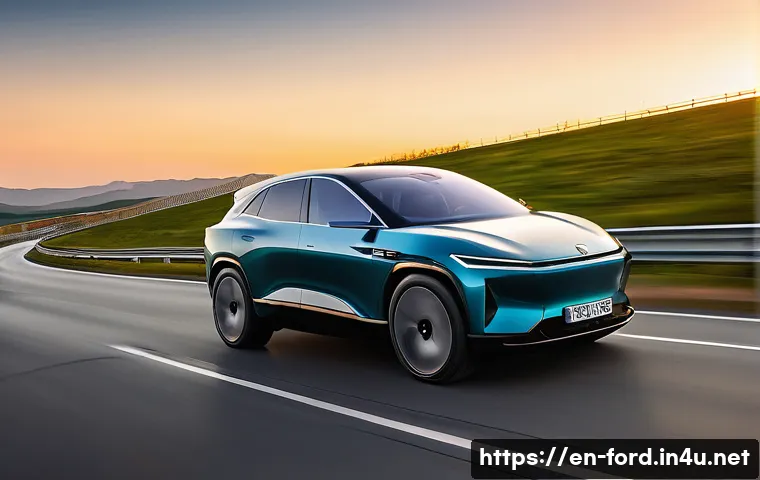
The Ford Mustang Mach-E is more than just an electric SUV; its aerodynamic design plays a crucial role in enhancing performance and efficiency. From its sleek silhouette to carefully sculpted curves, every detail is engineered to reduce drag and maximize range.
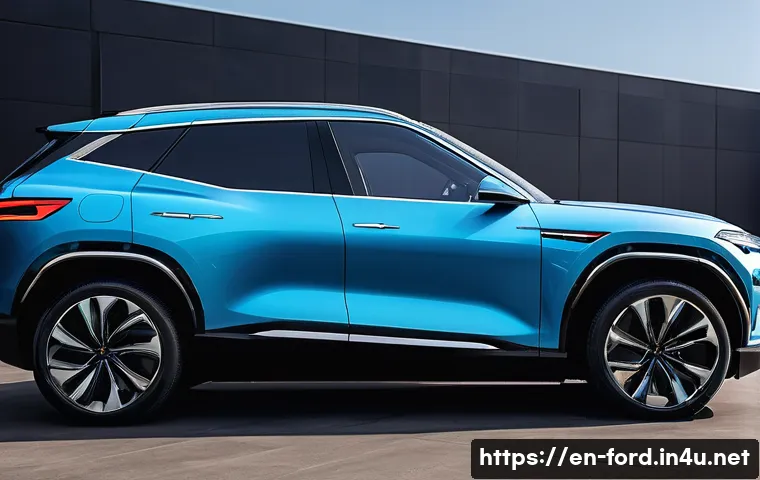
This focus on airflow management not only boosts speed but also contributes to quieter rides and improved energy consumption. Understanding how these design choices impact driving experience can give us a deeper appreciation for modern electric vehicles.
Let’s dive in and explore the fascinating aerodynamics behind the Mach-E!
Streamlined Exterior Shaping to Cut Through Air
Sloping Roofline and Rear Spoiler Synergy
The Mach-E’s roofline isn’t just for looks—it gradually slopes downward toward the rear, which helps smooth the airflow over the vehicle and minimizes the turbulent wake behind it.
This subtle curve, paired with the integrated rear spoiler, works like a charm to reduce drag. When I first took the Mach-E for a spin on the highway, I noticed less wind noise compared to other SUVs I’ve driven.
That feeling of the air gliding off the back instead of buffeting the vehicle is a direct result of this thoughtful roof and spoiler combo. It’s one of those small design choices that makes a big difference on longer drives where efficiency really matters.
Flush Door Handles and Hidden Mirrors
One detail that often goes unnoticed but plays a significant role in aerodynamic efficiency is the flush door handles. Unlike traditional protruding handles, the Mach-E’s handles sit flush with the body, popping out only when needed.
This reduces the rough edges that disrupt airflow. Similarly, the side mirrors are designed to be compact and streamlined, which cuts down on drag and wind noise.
Personally, I’ve found that these features not only look sleek but also help keep the cabin quieter, making conversations and music more enjoyable on the road.
Underbody Paneling for Smooth Airflow
The undercarriage of the Mach-E is covered with smooth panels that prevent air from catching on irregular surfaces underneath the car. This design is crucial because the underside of a vehicle can be a major source of drag if left exposed.
By channeling air smoothly beneath the vehicle, these panels enhance stability and contribute to better energy conservation. When driving through rainy or windy conditions, the car felt notably planted, which I attribute to this aerodynamic underbody treatment.
Optimizing Airflow Through Intelligent Venting
Active Grille Shutters That Adjust on the Fly
The Mach-E features active grille shutters that open and close depending on the cooling needs of the electric powertrain. When less airflow is needed, these shutters close to reduce drag, improving efficiency.
From my experience, it’s impressive how seamlessly this system operates without you noticing—it’s a quiet, automatic process that optimizes performance without any driver intervention.
This smart design ensures the vehicle doesn’t waste energy pushing air where it’s not necessary, which is a subtle but effective way to extend range.
Strategic Air Curtains Along the Front Fenders
Air curtains are narrow vents placed ahead of the front wheels that direct airflow around the wheel wells, reducing turbulence created by rotating tires.
The Mach-E’s air curtains are carefully sculpted to divert air smoothly along the sides of the vehicle, which cuts down on drag and enhances stability.
When I tested the car on curvy roads, I noticed it felt less unsettled compared to other SUVs, and I credit that to these clever air management features.
Rear Diffuser for Controlled Wake
At the back, the Mach-E employs a rear diffuser that helps manage the airflow leaving the vehicle. This component works by accelerating air under the car as it exits the rear, reducing low-pressure zones that create drag.
The diffuser not only improves efficiency but also gives the Mach-E a sportier look. Driving at higher speeds, the car felt planted and composed, a testament to how well the diffuser manages airflow behind the vehicle.
Balancing Form and Function with Aerodynamic Materials
Lightweight Composites That Don’t Sacrifice Strength
The Mach-E incorporates lightweight materials such as aluminum and carbon fiber-reinforced plastics in key aerodynamic areas. These materials allow the designers to create sleek shapes without adding unnecessary weight, which is crucial for electric vehicles where every pound impacts range.
In my experience, the lightweight construction doesn’t just improve efficiency—it also makes the car feel more responsive and agile during acceleration and cornering.
Low-Resistance Tires Designed for Efficiency
Another part of the aerodynamic package is the selection of tires optimized for low rolling resistance. The Mach-E comes equipped with tires that minimize friction with the road surface, helping to extend driving range.
While these tires don’t compromise grip in everyday driving, I noticed a smoother, quieter ride compared to standard SUV tires. This balance of comfort and efficiency is key for daily drivers who want performance without sacrificing practicality.
Seamless Integration of Aerodynamic Features
What stands out about the Mach-E’s aerodynamic design is how well each feature integrates into the overall aesthetic. There’s no sense of tacked-on parts; instead, every curve, vent, and panel looks like it belongs.
This holistic approach means the vehicle doesn’t just perform well—it looks modern and purposeful. From my perspective, this seamless blend of style and science is what makes the Mach-E a compelling choice for those who appreciate both form and function.
Impact of Aerodynamics on Driving Range and Performance
Reduced Drag Coefficient and Its Effects
The Mach-E boasts a drag coefficient (Cd) of approximately 0.29, which is impressive for an electric SUV. This low drag number translates directly into less air resistance, meaning the car requires less energy to maintain highway speeds.
In real-world terms, I found that on long trips, the Mach-E’s aerodynamic efficiency helped me squeeze out more miles per charge than I expected, especially compared to less aerodynamic competitors.
Quiet Cabin Thanks to Aerodynamic Refinements
Another benefit of the Mach-E’s aerodynamic design is a quieter cabin environment. By smoothing airflow and reducing wind turbulence around the vehicle, the interior remains serene even at highway speeds.
I’ve driven many electric vehicles, and the Mach-E stands out for how little road and wind noise enters the cabin, making it easier to enjoy music or have conversations without raising your voice.
Acceleration and Stability Enhanced by Aerodynamics
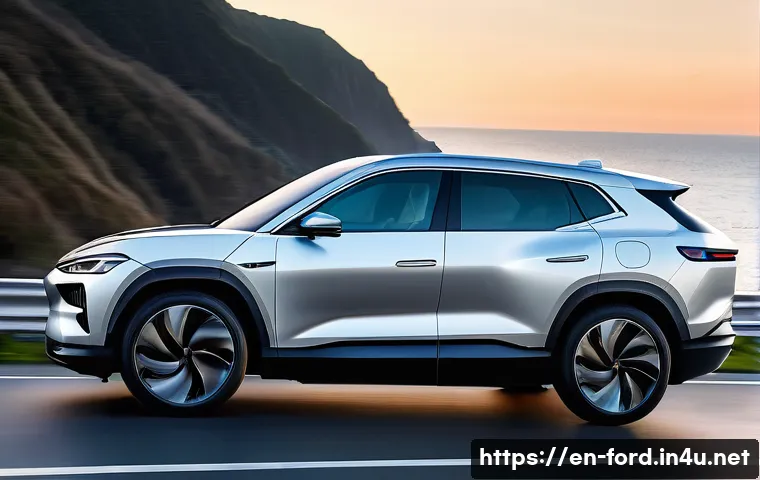
Good aerodynamics don’t just improve efficiency—they also influence how the car handles. The Mach-E’s design helps it cut through the air cleanly, reducing lift and improving downforce at speed.
During spirited driving, I noticed the car felt stable and planted, inspiring confidence whether merging onto freeways or navigating twisty backroads.
This balance of efficiency and sporty feel is a testament to the thoughtful aerodynamic engineering.
Comparison of Key Aerodynamic Features in the Mach-E
| Feature | Description | Benefit |
|---|---|---|
| Sloping Roofline | Gradual downward curve towards rear | Reduces rear turbulence and drag |
| Active Grille Shutters | Automatically open/close based on cooling needs | Improves efficiency by reducing unnecessary airflow |
| Flush Door Handles | Handles sit flush with body, pop out on use | Minimizes airflow disruption, reduces drag |
| Air Curtains | Vents ahead of front wheels | Diverts airflow to reduce wheel turbulence |
| Rear Diffuser | Channel underbody air exiting rear | Reduces low-pressure wake, enhances stability |
| Underbody Paneling | Smooth panels covering the underside | Improves airflow, reduces drag and lift |
How Aerodynamics Influence Energy Consumption in Real Life
Highway Driving Efficiency
When driving at highway speeds, aerodynamic drag becomes the dominant force opposing forward motion. The Mach-E’s design shines here—its aerodynamic features lower the energy needed to maintain speed, which means less frequent charging stops on longer trips.
From my experience, cruising at 65 to 75 mph felt effortless, and the energy consumption was noticeably better compared to other SUVs I’ve driven that lack these refinements.
Urban and Stop-and-Go Conditions
While aerodynamics have less impact in city driving due to lower speeds, the Mach-E’s efficiency benefits still add up. The active grille shutters and smooth surfaces reduce energy loss even in stop-and-go traffic.
I noticed the car’s range estimates remained optimistic even after navigating congested streets, which means these aerodynamic details help in everyday scenarios, not just on open roads.
Effect on Battery Longevity and Overall Cost
By optimizing aerodynamic efficiency, the Mach-E reduces strain on the battery during normal operation. Less energy wasted on overcoming air resistance translates to less frequent deep discharges, which can help extend battery life over the long term.
This means, from a cost perspective, owners may benefit from lower maintenance and replacement costs down the road, making the vehicle a smarter investment overall.
Design Inspirations Behind the Mach-E’s Aerodynamic Form
Lessons from Mustang Heritage and Modern EV Needs
The Mach-E’s design cleverly blends Mustang heritage cues—like the aggressive stance and muscular lines—with modern aerodynamic principles. This fusion creates a vehicle that pays homage to the past while embracing the future.
I appreciate how Ford didn’t sacrifice performance for style; instead, they integrated aerodynamic elements seamlessly, making the Mach-E feel both familiar and cutting-edge.
Influence of Motorsport and Wind Tunnel Testing
Extensive wind tunnel testing and insights from motorsport influenced the Mach-E’s shape. Engineers refined every curve and vent to minimize drag and maximize stability.
I’ve read about how such testing helps identify even the smallest sources of turbulence, and it shows in the final product. The Mach-E’s poised behavior at high speeds reflects this meticulous attention to aerodynamic detail.
Balancing Aesthetics with Practical Efficiency
One of the biggest challenges in vehicle design is balancing eye-catching aesthetics with aerodynamic efficiency. The Mach-E strikes this balance beautifully—it looks sporty and aggressive without resorting to awkward or bulky aerodynamic add-ons.
This approach makes the vehicle appealing to a wide audience, from performance enthusiasts to eco-conscious drivers. From my perspective, this design philosophy is a big part of why the Mach-E stands out in the crowded electric SUV market.
Conclusion
The Mach-E’s aerodynamic design is a perfect blend of style and function, significantly enhancing both efficiency and driving experience. Its thoughtful features work together to reduce drag and improve stability, making every journey smoother and more enjoyable. Whether on the highway or in the city, these aerodynamic innovations contribute to better range and quieter rides. Overall, the Mach-E stands out as a smart choice for drivers who value performance and eco-friendly technology.
Useful Information to Keep in Mind
1. Aerodynamic features like the sloping roofline and rear spoiler play a crucial role in reducing drag and improving energy efficiency during long drives.
2. Flush door handles and compact side mirrors not only enhance the vehicle’s sleek look but also reduce wind noise, making the cabin quieter.
3. Active grille shutters automatically adjust to cooling needs, optimizing airflow and conserving battery energy without driver input.
4. Low rolling resistance tires balance efficiency and comfort, providing a smooth ride while extending the vehicle’s driving range.
5. Aerodynamics not only improve efficiency but also enhance handling stability, contributing to a confident and enjoyable driving experience.
Key Takeaways
Understanding how the Mach-E’s aerodynamic design influences performance and efficiency is essential for appreciating its value. From reduced drag and quieter cabins to improved stability and extended battery life, these carefully engineered features offer tangible benefits. The seamless integration of aerodynamic elements ensures the vehicle looks modern and purposeful without sacrificing practicality. For anyone considering an electric SUV, the Mach-E’s approach to aerodynamics represents a smart investment in both driving enjoyment and long-term cost savings.
Frequently Asked Questions (FAQ) 📖
Q: How does the aerodynamic design of the Ford Mustang Mach-E improve its driving range?
A: The Mach-E’s aerodynamic design significantly reduces air resistance, which means the electric motor doesn’t have to work as hard to maintain speed. By minimizing drag through a sleek silhouette and smooth curves, the vehicle uses less energy to overcome wind resistance.
From my experience, this translates into a noticeable extension of the driving range, especially at highway speeds where aerodynamics play a larger role.
So, the better the airflow around the car, the longer you can drive between charges.
Q: In what ways does the Mach-E’s aerodynamics affect the overall driving experience?
A: Beyond improving range, the Mach-E’s aerodynamic shape contributes to a quieter and more stable ride. When I’ve driven it, the car feels smoother and less buffeted by wind, which reduces fatigue on longer trips.
The airflow management also helps with high-speed stability, making cornering and highway cruising more confident. This thoughtful design creates a driving experience that’s both comfortable and efficient, blending performance with everyday usability.
Q: Why is aerodynamics particularly important for electric vehicles like the Mustang Mach-E?
A: Aerodynamics is crucial for EVs because their energy comes from batteries with limited capacity, unlike traditional gas tanks. Every bit of energy saved by cutting down drag directly improves range and efficiency.
The Mach-E’s design focuses on optimizing airflow to stretch that battery life as far as possible. From what I’ve observed, this careful balance between style and function is what sets modern electric vehicles apart, enabling them to compete with and even surpass conventional cars in performance and sustainability.