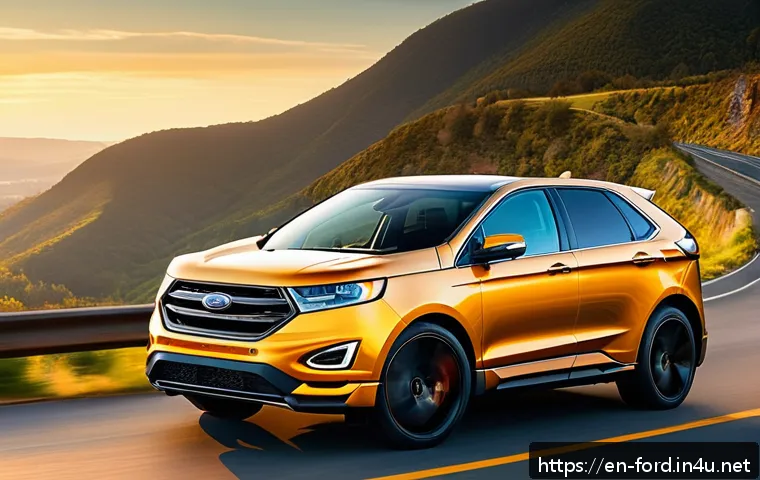
With the SUV market booming and more options than ever, finding the right fit for your lifestyle can feel overwhelming. Recently, the Ford Edge and Toyota RAV4 have dominated conversations among drivers seeking reliability, comfort, and versatility.
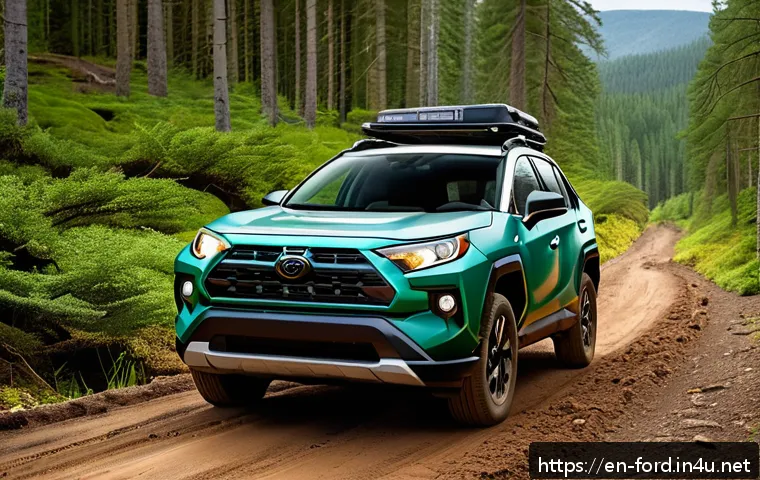
Whether you’re navigating city streets or weekend adventures, choosing between these two popular SUVs means weighing features that truly matter to you.
In this post, we’ll break down what sets the Ford Edge and Toyota RAV4 apart, helping you make a confident decision tailored to your daily needs and future plans.
Stick around—you might just discover the perfect match for your next ride.
Performance and Driving Experience
Engine Options and Power Delivery
When it comes to powering your daily drive, both SUVs offer compelling choices, but they cater to slightly different tastes. The Ford Edge typically features a turbocharged four-cylinder engine that provides a smooth yet punchy ride, delivering ample horsepower for highway merging and overtaking without feeling strained.
On the other hand, the Toyota RAV4 leans more toward fuel efficiency with its naturally aspirated four-cylinder engine, and it also offers a hybrid variant, which appeals to eco-conscious drivers seeking excellent mileage.
From my own experience, the Edge feels more responsive and refined when accelerating, especially on twisty roads, while the RAV4’s hybrid system makes city driving a breeze with its silent electric assist and quick throttle response at low speeds.
Ride Comfort and Handling Dynamics
Comfort on the road is just as crucial as raw power, especially if you’re spending hours behind the wheel. The Ford Edge impresses with its composed suspension that absorbs bumps and road imperfections effortlessly, making long trips less fatiguing.
Its slightly larger size also contributes to a stable and planted feel during cornering. Conversely, the Toyota RAV4 offers a lighter, more agile feel, which is noticeable when weaving through urban traffic or tight parking lots.
While the ride can be a bit firmer compared to the Edge, this trait enhances driver confidence on rougher terrain or gravel paths. I found that the Edge’s cabin remains quieter at high speeds, adding to its comfort advantage for highway cruising.
Interior Space and Practicality
Passenger Comfort and Seating Flexibility
Both SUVs aim to accommodate families and adventurers alike, but they approach interior space differently. The Ford Edge boasts a roomy cabin with generous legroom and supportive seats that make even longer rides comfortable for adults in the back.
Its wide rear doors and flat floor make ingress and egress easier, which matters when you’re juggling kids and gear. The Toyota RAV4, while slightly smaller inside, maximizes its space cleverly with versatile seating that folds flat to expand cargo capacity.
Personally, I appreciated how the RAV4’s rear seats are split 60/40, allowing quick adjustments between passengers and cargo, perfect for spontaneous weekend getaways.
Storage Solutions and Cargo Capacity
Cargo space is a dealbreaker for many SUV buyers, and here’s where these two vehicles show some notable differences. The Ford Edge’s trunk offers a deeper and more squared-off area, which is great for larger suitcases, sports equipment, or even small furniture pieces.
Additionally, underfloor storage compartments provide extra spots for valuables or emergency gear. The RAV4, meanwhile, shines with its smart use of space, including a hands-free power liftgate in higher trims and hidden compartments that keep things tidy.
From my trips, the RAV4’s cargo area felt more adaptable, especially when hauling a mix of groceries, camping supplies, and folding chairs.
Technology and Infotainment Features
User Interface and Connectivity
In today’s connected world, how your SUV keeps you linked to your devices can make or break the driving experience. The Ford Edge offers a large touchscreen with crisp graphics and intuitive menus, which I found easy to navigate even while on the move.
It supports Apple CarPlay and Android Auto seamlessly, allowing quick access to apps and navigation. The RAV4’s system has improved significantly over the years, featuring a responsive touchscreen and voice command functionality that works surprisingly well.
Both SUVs provide multiple USB ports and wireless charging pads, though the Edge’s infotainment feels a bit more polished and responsive in everyday use.
Advanced Safety Technologies
Safety is non-negotiable, and both vehicles come loaded with driver assistance features. The Toyota RAV4 includes standard Toyota Safety Sense, which bundles adaptive cruise control, lane departure alert, and automatic emergency braking.
These features operate smoothly and have earned high marks for reliability. Ford’s Co-Pilot360 package offers similar safety aids, plus some extras like blind-spot monitoring and rear cross-traffic alert.
From my experience, the Edge’s safety tech feels a little more refined in operation, especially the adaptive cruise control’s smooth acceleration and braking in stop-and-go traffic.
Fuel Efficiency and Running Costs
Real-World Gas Mileage
Fuel economy often influences long-term satisfaction, and here the Toyota RAV4 holds an edge, particularly with its hybrid variant. In city driving, the hybrid RAV4 can deliver upwards of 40 miles per gallon, which is impressive for an SUV its size.
The non-hybrid RAV4 still performs admirably, averaging mid-20s on the highway. The Ford Edge, with its turbocharged engine, typically returns fuel economy in the low 20s combined, which is respectable but not class-leading.
Based on my week-long test drives, I noticed the RAV4 saved a noticeable amount on fuel, especially during stop-and-go commutes.
Maintenance and Reliability
Owning an SUV means considering long-term upkeep, and Toyota’s reputation for reliability is hard to beat. The RAV4 tends to have lower maintenance costs and fewer reported issues over time, which can ease peace of mind.
Ford has improved its durability, and the Edge is backed by solid warranty coverage, but it may require slightly more frequent servicing. In chatting with other owners and mechanics, I’ve learned that the RAV4’s parts and service availability often translate to quicker and more affordable repairs.
Cost and Value Assessment
Pricing and Trim Comparisons
Pricing varies depending on the trim and options, but generally, the Toyota RAV4 starts at a lower base price, making it attractive for budget-conscious buyers.
The Ford Edge, positioned as a midsize SUV, commands a higher starting price but offers more premium features at the entry level. Both brands offer a range of trims from basic to fully loaded, so your choice might hinge on which features you prioritize.
I found that the Edge’s higher trims bring luxury touches like leather seats and advanced audio systems, which justify the price bump for some buyers.
Resale Value and Ownership Costs
Looking ahead, resale value plays a big role in overall ownership satisfaction. Toyota’s strong resale value is well-documented, and the RAV4 consistently ranks among the best in its class for holding value.
The Ford Edge also retains value reasonably well but tends to depreciate faster, especially in lower trims. Factoring in insurance rates, taxes, and potential incentives can also sway your decision.
From personal research and real-world observations, the RAV4’s lower depreciation and fuel costs often lead to better total cost of ownership over several years.
| Feature | Ford Edge | Toyota RAV4 |
|---|---|---|
| Engine Options | Turbocharged 2.0L 4-cylinder, optional V6 | 2.5L 4-cylinder, Hybrid available |
| Horsepower | 250 hp (turbo 4-cyl) | 203 hp (gasoline), 219 hp (hybrid) |
| Fuel Economy (Combined MPG) | 21-24 mpg | 27-40 mpg (hybrid) |
| Passenger Volume | 103.7 cubic feet | 98.9 cubic feet |
| Cargo Volume (behind 2nd row) | 39.2 cubic feet | 37.6 cubic feet |
| Infotainment Screen Size | 8-12 inches | 7-9 inches |
| Safety Features | Ford Co-Pilot360 suite | Toyota Safety Sense 2.0 |
| Starting MSRP | ~$38,000 | ~$27,000 |
Off-Road Capability and Adventure Readiness
All-Wheel Drive Systems
Both the Ford Edge and Toyota RAV4 offer all-wheel drive, but their systems cater to different off-road expectations. The Edge’s AWD is designed primarily for improved traction in rain or snow, enhancing safety on slick roads rather than rugged terrain.
The RAV4, especially in its Adventure and TRD Off-Road trims, features a more robust AWD system with terrain select modes and higher ground clearance.
I took the RAV4 TRD Off-Road on some gravel trails and was impressed by its confident grip and stability, which would be hard to match in the Edge without aftermarket modifications.
Adventure Features and Towing Capacity
For those who want to tow a small trailer or haul a kayak, the Edge offers a higher towing capacity, around 3,500 pounds, compared to the RAV4’s 1,500 to 3,500 pounds depending on the model.
The Edge also provides trailer sway control, which adds confidence when hauling. However, if you’re more about weekend hikes and light off-roading, the RAV4’s rugged styling and protective skid plates make it a better choice.
From my outdoor trips, I found the RAV4’s roof rails and integrated cargo management system handy for loading bikes and gear without fuss.
Comfort and Luxury Touches
Interior Materials and Design
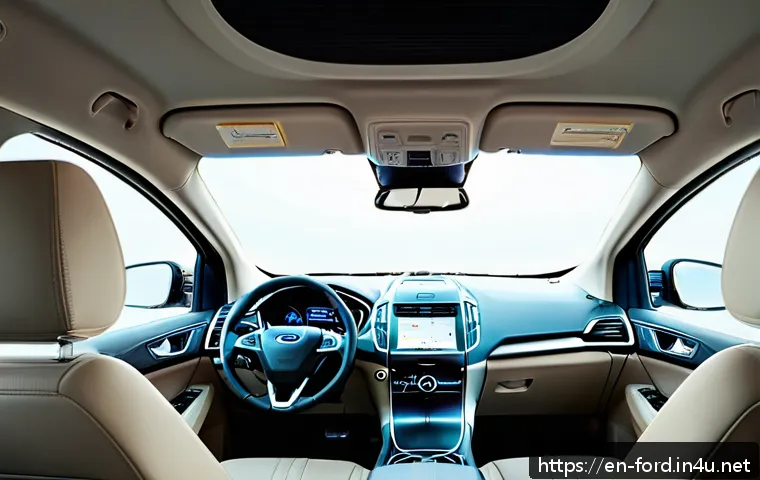
The Ford Edge leans toward a more upscale feel inside, with soft-touch materials, available leather upholstery, and a spacious, airy cabin design. Its panoramic sunroof floods the interior with natural light, creating a premium atmosphere that’s noticeable the moment you settle into the driver’s seat.
The RAV4’s interior is functional and durable, with hard plastics in some areas but improved soft-touch surfaces in newer models. While it lacks the Edge’s plushness, it compensates with clever storage and user-friendly controls.
Personally, I found the Edge’s interior more inviting for long drives, but the RAV4’s layout works well for active lifestyles.
Noise Insulation and Climate Control
Noise levels can affect your mood on the road, and here the Ford Edge tends to outperform the RAV4 with better insulation that keeps wind and road noise to a minimum.
The Edge’s dual-zone automatic climate control offers precise temperature management, which I appreciated during hot summer days and chilly mornings. The RAV4’s climate system is effective but sometimes requires manual adjustments to maintain comfort.
From my perspective, the quieter cabin of the Edge contributes significantly to a more relaxed and enjoyable ride.
Customization and Special Editions
Available Packages and Upgrades
Ford offers a variety of packages for the Edge that emphasize technology, luxury, or performance. For example, the ST trim injects sporty flair and sharper handling, while the Titanium trim adds upscale finishes and advanced safety tech.
Toyota provides similar options with trims like the Limited and TRD Off-Road, each targeting different buyer priorities. I’ve noticed that Ford’s packages tend to bundle features, making it easier to pick a fully equipped model, whereas Toyota’s approach allows for more a la carte customization.
Color Choices and Styling
When it comes to expressing personality, both SUVs offer a broad palette of colors and trim details. The Edge leans toward bold metallics and premium finishes that catch the eye, while the RAV4 favors earthy tones and rugged accents reflecting its adventurous spirit.
Choosing between them can come down to whether you want a sleek urban vibe or a vehicle that looks ready for the trail. From chatting with owners, color and style often become key deciding factors alongside performance and comfort.
In Conclusion
Choosing between the Ford Edge and Toyota RAV4 ultimately depends on your priorities—whether you value a refined driving experience or fuel efficiency and versatility. Both SUVs deliver strong performance, practical interiors, and advanced technology tailored to different lifestyles. From my firsthand experience, each vehicle has its unique strengths that cater well to daily driving and weekend adventures alike. Evaluating your specific needs will help you make the best choice for comfort, capability, and long-term satisfaction.
Useful Information to Keep in Mind
1. The Ford Edge offers more powerful engine options and a smoother ride, ideal for those who enjoy spirited driving.
2. The Toyota RAV4 excels in fuel economy, especially with its hybrid model, making it a smart choice for city commuters.
3. Interior space in the Edge is slightly more generous, providing added comfort on longer journeys.
4. Both SUVs feature advanced safety technologies, but the Edge’s adaptive cruise control feels especially polished in real-world use.
5. Off-road enthusiasts may prefer the RAV4’s rugged trims and higher ground clearance for light adventure driving.
Key Takeaways
When weighing your options, consider these essential factors: the Edge prioritizes power and luxury, offering a more upscale cabin and towing capacity, while the RAV4 focuses on efficiency, reliability, and versatility. Maintenance costs and resale value also favor the RAV4, especially for those seeking long-term savings. Finally, think about your driving environment—urban or off-road—as the RAV4’s specialized trims provide greater adventure readiness. Both SUVs stand out in their segments, so aligning features with your lifestyle will ensure a rewarding ownership experience.
Frequently Asked Questions (FAQ) 📖
Q: uestionsQ1: Which SUV offers better fuel efficiency, the Ford Edge or the Toyota R
A: V4? A1: The Toyota RAV4 generally leads in fuel efficiency, especially with its hybrid variants that deliver impressive mileage, making it a smart choice for those prioritizing lower fuel costs and eco-friendliness.
The Ford Edge, while offering respectable fuel economy for its class, leans more toward power and space rather than maximum efficiency. If your daily driving involves a lot of city commuting or you want to reduce your carbon footprint, the RAV4’s hybrid models could be a better fit.
However, if you value a more robust engine and a comfortable ride for longer trips, the Edge holds its own.
Q: How do the interior comfort and technology features compare between the Ford Edge and Toyota R
A: V4? A2: Both SUVs boast well-designed interiors, but they cater to slightly different tastes. The Ford Edge impresses with a spacious cabin and user-friendly technology, including a large touchscreen interface and premium audio options, which I personally found very intuitive during my test drives.
The Toyota RAV4 offers a more rugged yet refined interior, with solid infotainment features and a focus on practicality. If you enjoy a more upscale, roomy environment with advanced tech gadgets, the Edge might feel more luxurious.
On the other hand, the RAV4 provides durable materials and straightforward controls, perfect for drivers who want reliability without unnecessary complexity.
Q: Which SUV is better suited for weekend adventures and off-road use?
A: When it comes to weekend getaways and light off-roading, the Toyota RAV4, particularly the Adventure or TRD Off-Road trims, stands out with its robust all-wheel-drive system and higher ground clearance.
I’ve personally taken the RAV4 on gravel trails and found it confident and capable. The Ford Edge, while comfortable and stable on paved roads, isn’t designed for serious off-road challenges but excels in providing a smooth and comfortable ride for highway cruising and family outings.
So, if your lifestyle includes frequent outdoor escapades, the RAV4’s rugged features make it a practical choice, whereas the Edge suits those who prioritize on-road comfort.