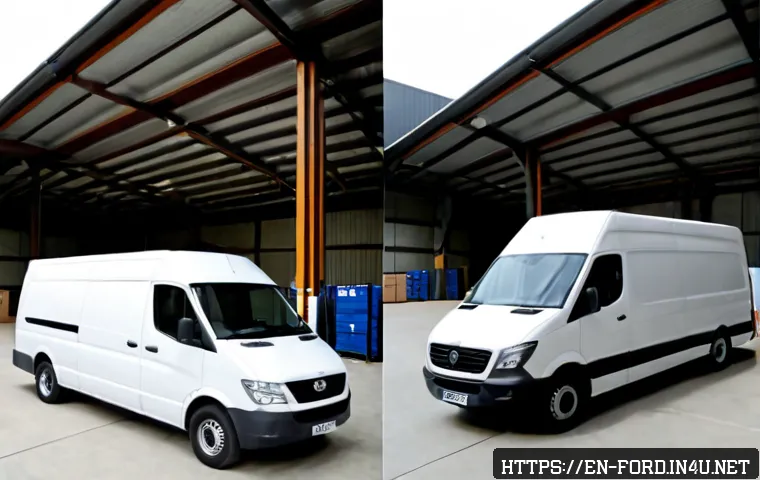
For local service work, a shorter Ford Transit body is often easier to park and maneuver, while longer bodies make more sense for bulky stock, equipment, or higher delivery volume.

A high-roof configuration is most useful when standing room, tall shelving, or vertical storage is part of the daily workflow. The best choice is not simply the van with the largest cargo area; it is the configuration that fits the load, route, payload requirement, and planned upfit.
Buyers comparing commercial van pricing, lease offers, fleet vehicles, or shelving packages should confirm the exact specification before ordering. Payload must account for installed equipment, tools, passengers, and cargo weight.
Check the model-year specification sheet and vehicle label before making a purchase or lease decision.
At a Glance
- Shorter Transit bodies generally suit urban service routes, frequent stops, and tighter parking situations.
- Longer and taller configurations can improve carrying flexibility, but they may bring added maneuvering, fuel, parking, and acquisition-cost considerations.
- Cargo volume is not payload: the usable load must stay within the exact vehicle’s weight ratings after tools, shelving, partitions, and people are included.
| Decision Priority | Configuration Direction | What to Check Before Ordering |
|---|---|---|
| Frequent city stops and limited parking | Shorter body length | Parking space, route restrictions, turning needs, and rear-door clearance |
| Bulky materials or large delivery loads | Longer body length | Interior load length, access space, payload label, and loading workflow |
| Standing work or tall storage systems | High roof | Interior height, building clearance, garage access, and shelving layout |
| Heavy tools, racks, or installed equipment | Payload-focused configuration | Weight of the upfit, passengers, tools, cargo, and applicable axle limits |
| Fleet or lease cost control | Right-sized vehicle rather than maximum size | Commercial van pricing, lease terms, fuel use, insurance, parking, and upfit cost |
The Quick Answer: Match Transit Size to What You Carry Most Often
The most practical Ford Transit cargo van is usually the one sized for the load you carry on most working days, not the occasional oversized job. A van that is too small can create inefficient loading and repeat trips. A van that is unnecessarily large may be harder to park, cost more to operate, and leave valuable capacity unused.
Shorter Bodies for Urban Service Routes and Easier Parking
A shorter Transit body can be a sensible fit for mobile maintenance teams, electricians, technicians, and other service operators who carry organized tools rather than long or bulky stock. The main advantage is everyday maneuverability. Frequent curbside stops, compact customer lots, and dense urban routes can make a smaller footprint more useful than maximum cargo length.
Before choosing a shorter body, measure the longest case, ladder-related equipment, boxed inventory, and shelving modules you expect to carry. Also leave room to reach the equipment safely. A load that technically fits but blocks access can slow down every job.
Longer Bodies for Bulky Stock, Equipment, and Delivery Volume
A longer Transit can provide more flexibility for contractors carrying large equipment, delivery operators handling bulkier parcels, and businesses that need more room for organized inventory. Extra length may also make it easier to separate clean stock, returns, tools, and job materials.
The trade-off is important: longer vans can create parking and maneuvering challenges, especially on narrow streets, in smaller loading areas, or at customer sites with limited access. Review your normal route and not just the warehouse loading bay.
High Roofs When Standing Room and Vertical Storage Matter
A high-roof Transit can be valuable when workers need to move inside the cargo area, access higher shelving, or use vertical storage efficiently. It may suit trade work with organized parts bins, delivery operations with stacked goods, or a camper conversion where interior movement matters.
However, roof height should be matched to real-world clearance. Check garages, covered parking, loading docks, building entrances, and any regular route restrictions. Taller cargo space is useful only when it can be used without creating avoidable access problems.
What Actually Changes Usable Cargo Room
Usable cargo room is shaped by more than a published cargo-volume figure. The practical question is whether your specific load can be placed, secured, reached, and removed efficiently. That depends on the cargo area’s shape as much as its overall size.
Interior Length, Roof Height, and Wheel-Arch Width
Start with interior length for long materials, equipment cases, and shelving runs. Then check the width between wheel arches if you carry wide cartons, palletized items, rolling equipment, or modular storage units. Roof height matters for tall cargo and for people working inside the van.
Do not assume that a broad cargo-volume number answers all three questions. A box, cabinet, cooler, tool chest, or camper component may be limited by one specific dimension rather than total space.
Rear-Door Access, Side-Door Loading, and Loading-Floor Layout
Loading access affects daily productivity. Rear doors may be ideal for loading at a depot, while side-door access can be more convenient for tools and supplies needed during a service call. Consider where the vehicle will normally be parked and which items must be reached first.
The load-floor design also matters. A shelving system, partition, rack, or protective floor can change how the space works. Plan the walking path, tie-down access, door swing, and room required to remove equipment without unloading half the van.
Why Cargo Volume Alone Can Be Misleading
Cargo volume describes available space, but it does not show whether the load is too heavy, awkwardly shaped, or blocked by an upfit. A delivery van may have open volume but little organization. A well-shelved service van may have less open floor space but better access to every tool.
Think in terms of usable working space: the room remaining after safety equipment, partitions, shelving, racks, and the normal load are in place. This approach helps prevent an expensive mismatch between the van ordered and the workflow required.
Compare Cargo Space Against Payload, Upfits, and Vehicle Cost
Space available and legally and safely usable payload are separate decisions. A Transit may have enough physical room for the cargo, yet the combined weight of cargo, passengers, and installed equipment may require a different configuration.
Cargo Volume Versus Payload Capacity
Payload ratings must account for everything carried or installed in the vehicle. That includes shelving, partitions, tools, cargo, passengers, and specialized equipment. Available payload and towing specifications can also change with drivetrain, body configuration, all-wheel drive, and vehicle options.
For that reason, compare the exact model-year specification sheet and the vehicle label for the configuration under consideration. Do not rely on a general Transit description when selecting a fleet vehicle or signing a commercial lease.
The Weight Impact of Shelving, Partitions, Tools, and Racks
Upfitting can make a cargo van far more productive, but it also changes the weight calculation. Shelving, bulkheads, ladder racks, refrigeration equipment, storage drawers, workbenches, and camper conversion materials should be included before deciding that a given payload setup is sufficient.
Ask the van upfitting company for the installed weight of the proposed equipment. Then build a realistic list of your normal tools, consumables, cargo, and passengers. This is more useful than estimating from cargo space alone.
Purchase, Lease, Fuel, Parking, and Fleet-Operating Trade-Offs

A larger Transit may improve capacity and reduce loading compromises, but it can also affect commercial van pricing, lease offers, fuel use, parking practicality, and fleet operating costs. The right decision depends on whether the additional capacity is used often enough to justify those trade-offs.
For a small business, right-sizing can be more valuable than choosing the longest or tallest body by default. Compare configurations based on ordinary jobs, peak-day loads, and the routes your drivers actually run.
Avoid Common Loading and Specification Mistakes
Most sizing errors happen before the order is placed. A simple measurement and weight review can reveal whether a planned configuration is efficient, overloaded, or difficult to use.
Measuring Equipment but Forgetting Packaging and Access Space
Measure tools and equipment in their working form, including cases, packaging, protective covers, wheels, handles, and loading angles. Leave clearance for opening drawers, removing cases, and walking to commonly used items. Access space is part of usable cargo room.
Ignoring Axle Limits and Vehicle Weight Labels
Do not focus only on total payload. The exact vehicle’s weight label and applicable axle limits matter when heavy equipment, shelving, or concentrated loads are installed. Load placement can affect how weight is distributed, especially when equipment is mounted near one end of the cargo area.
Review the label and official documentation for the specific vehicle. If your business carries unusually heavy equipment, confirm the planned loading arrangement with an appropriate fleet supplier or upfitting professional.
Ordering a Van Before Confirming Upfit Compatibility
Confirm upfit compatibility before ordering the van. A shelving package, bulkhead, roof rack, refrigeration system, or camper conversion plan may require specific dimensions, mounting points, electrical planning, or clearance. This is particularly important when comparing dealer inventory against a factory order or lease vehicle.
Which Configuration Fits Different Working Scenarios?
The best Transit configuration depends on the job, not just the category of business. Use your most common cargo, loading location, and daily route as the starting point.
Mobile Trades and Maintenance Teams
Mobile trades often benefit from a layout that prioritizes organized access. A shorter or medium-length body may work well where parking is frequent and tools are stored in shelving rather than carried loose. A high roof can be useful when technicians need to work inside the cargo area or retrieve items from taller storage.
Courier, Delivery, and Retail Replenishment Routes
Courier and delivery work may favor additional body length when load volume is high or parcels need to be separated by stop. Yet a long vehicle is not automatically ideal for every route. Dense delivery areas may place greater value on maneuverability, side-door access, and repeatable parking.
Contractor Equipment, Event Logistics, and Camper Conversion Plans
Contractor equipment and event logistics can require longer cargo space for bulky cases, displays, stock, or specialized gear. Camper conversion planning may place additional emphasis on roof height, layout, installed equipment weight, and access through the rear and side doors. In either case, create a floor-plan sketch before selecting the body length and roof height.
Selection Criteria and Comparison Summary
Before placing an order, use this checklist: measure the longest and widest regular items; confirm the needed standing height; calculate the combined weight of cargo, passengers, and planned upfits; review normal parking and route restrictions; and compare the exact model-year payload and cargo specifications. Also consider whether the van will be purchased, financed, or leased and how that choice affects the total operating plan.
Paying for extra length or roof height makes sense when the added space is used regularly, improves loading safety, or eliminates repeated trips. It is less compelling when the larger body only serves rare loads and complicates everyday parking. Compare quotes and configurations before ordering, and review official details with the dealer, fleet supplier, or van-upfitting company handling the specific vehicle.
Final Thoughts
Ford Transit cargo space should be compared as a working system, not as a single volume figure. Interior dimensions, door access, roof height, payload, and upfit weight all affect whether the van will support the business efficiently. A properly sized Transit can improve organization and loading flow without adding unnecessary operating burden. Confirm the exact specification for the model year and configuration you plan to buy or lease.
Useful Things to Know
1. A longer body may create more storage flexibility, but it can also change daily parking and maneuvering needs.
2. Shelving and partitions improve organization but reduce open space and add weight.
3. All-wheel drive, drivetrain choices, options, and body configuration can affect available payload and towing specifications.
4. A floor-plan sketch can reveal access problems before an upfit is installed.
5. Commercial insurance, registration, financing, and upfitting costs vary by location and provider.
Important Notes
Exact cargo dimensions, cargo volume, payload, towing capability, price, lease payment, and operating cost depend on the model year, market, wheelbase, roof height, drivetrain, options, and final configuration. This comparison is a planning guide, not a substitute for the official specification sheet, vehicle label, dealer documentation, or professional upfit review. Confirm that the selected van fits your tools, pallets, shelving system, parking area, garage, route restrictions, and loading requirements before committing.
Frequently Asked Questions
Q1. Which Ford Transit size is best for a small business carrying tools and shelving?
A1. A shorter or medium-length Transit may suit businesses that make frequent service calls and need easier parking, while a longer body may be better for larger stock or equipment. The key is to measure the planned shelving, tools, and access space, then confirm that their combined weight fits the exact vehicle’s payload rating.
Q2. Is a high-roof Ford Transit worth the additional cost for delivery or trade work?
A2. A high roof can be worthwhile when workers need standing room, vertical shelving, or space for taller cargo. It may be less useful if the van regularly enters garages, covered parking, or locations with height restrictions. Compare the workflow benefit against parking, operating, and acquisition-cost considerations.
Q3. How do I check whether a Ford Transit can safely carry my equipment and installed shelving?
A3. List the weight of shelving, partitions, racks, tools, cargo, passengers, and installed equipment. Then check the exact vehicle’s official payload information, vehicle label, and applicable axle limits. Confirm the final upfit weight and layout with the dealer, fleet supplier, or van-upfitting company before purchase or lease.