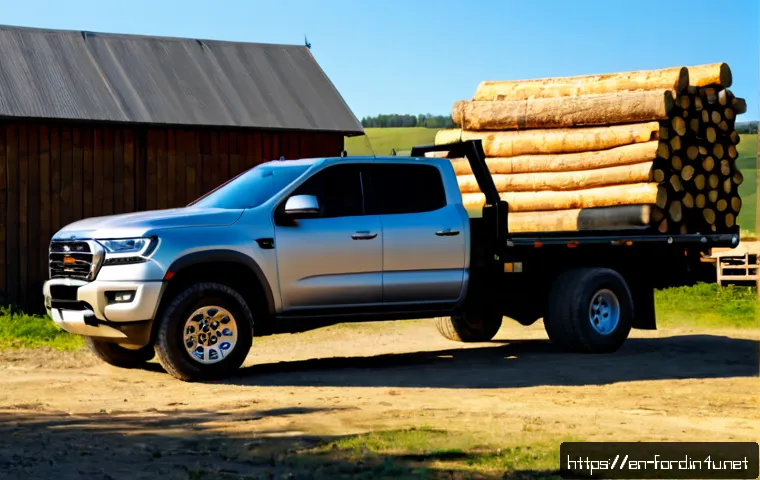
A Ford Ranger diesel is most likely to justify its higher upfront cost if you tow regularly, cover long highway distances, or rely on the truck for demanding work.
If most of your driving is short urban trips with light loads, a petrol, hybrid, or other pickup option may offer better everyday value. The main appeal is not simply a headline towing number; it is the low-rev pulling feel, practical range, and suitability for sustained load-carrying tasks.
However, fuel pricing, service access, trim level, warranty coverage, and local diesel availability can change the ownership equation. Compare equivalent configurations rather than assuming every diesel Ranger delivers the same capability or operating cost.
The best choice comes from matching the powertrain to the jobs the truck will actually do.
At a Glance
- Best fit: Regular towing, rural travel, long-distance driving, and work use can make a Ranger diesel more compelling.
- Main trade-off: A higher purchase price and potentially different servicing needs should be weighed against fuel use and work capability.
- Before buying: Confirm the exact trim’s payload, towing limits, trailer equipment, warranty, fuel availability, and local rules.
| Decision Area | Diesel Ranger May Suit You If | Petrol, Hybrid, or Another Option May Suit You If |
|---|---|---|
| Towing and load work | You tow frequently, drive on grades, or carry work equipment as part of normal use. | You tow only occasionally and usually drive unloaded. |
| Highway range | You make regional trips, cover long routes, or work far from convenient refuelling stops. | Your driving is mostly local and refuelling convenience matters more than long-distance range. |
| Upfront cost | You can justify a higher purchase price through regular commercial or heavy-duty use. | Your budget, finance payment, or vehicle replacement plan favors a lower initial cost. |
| City driving | Your urban driving is mixed with longer runs that allow the truck to operate under steady conditions. | You mainly make short, stop-start trips with light loads. |
| Service planning | You have dependable diesel fuel access and a nearby service network familiar with the configuration. | Local service support, fuel quality, or emissions-related requirements are uncertain. |
Why a Diesel Ranger Can Be a Better Tool for Heavy-Duty Driving
A diesel Ranger can be a practical tool when the truck is expected to earn its keep. The value is usually strongest when daily tasks involve trailers, equipment, long road miles, or rural routes rather than short trips to shops and school runs. The diesel advantage is use-case dependent: it should be measured against the work you do, not against a badge or a single advertised capability figure.
Three Quick Takeaways for Towing, Long-Distance Travel, and Work Use
First, diesel power can feel well suited to pulling because useful torque is available at lower engine speeds. Second, drivers who spend long periods on highways or regional roads may place real value on practical driving range. Third, a truck used for business can justify a different cost structure than a lightly used personal vehicle. The important caution is that these benefits depend on the exact engine, drivetrain, trim, load, terrain, and local operating conditions.
The Drivers Most Likely to Benefit From Diesel Ownership
Diesel ownership tends to make the most sense for people who repeatedly ask more of a pickup: tradespeople carrying tools, owners towing a boat or camper, rural-property users moving supplies, and fleet operators planning routes over longer distances. These buyers should look beyond the vehicle price and consider downtime, dealer service access, fuel spend, insurance, and how often the truck will actually be loaded or towing.
When the Extra Purchase Cost May Not Make Sense
If the Ranger will spend most of its life in traffic, on short errands, and without a trailer, the higher purchase cost may be harder to recover through everyday use. A petrol or hybrid alternative may be easier to match to city-focused driving patterns. Buyers should also be cautious about stretching a finance payment for capability they rarely use. Buy the capability your routine requires, not the capability you may use once a year.
Torque, Towing, and Range: The Capability Advantages That Matter
The strongest argument for a diesel pickup is often how it behaves under load. A truck can look competitive on paper yet feel very different when climbing, merging with a trailer, or travelling through remote areas. Capability should be checked as a complete
Why Low-Rev Torque Helps When Pulling Loads or Climbing Grades
Low-rev torque can make a pickup feel more controlled when moving a load from a stop or maintaining momentum on an incline. For towing owners, this may reduce the need to work the engine as hard in normal driving conditions. That does not mean every diesel Ranger is automatically the right tow vehicle. Confirm the rating for the exact configuration, then check whether the trailer, hitch, brakes, weight distribution, and cargo placement are appropriate for local requirements.
Highway Range and Refuelling Practicality for Regional Travel
Range matters when work sites, properties, or travel destinations are far apart. A diesel truck may appeal to drivers who want fewer interruptions on long routes, especially when towing or carrying equipment. Still, real-world fuel economy can change with load, weather, terrain, tyre choice, driving style, and towing frequency. Check diesel availability on the routes you use rather than assuming it will be equally convenient everywhere.
Payload, Towing Rating, and Trailer Equipment Checks Before Buying
A high towing figure alone is not a complete buying answer. The truck’s payload can be affected by passengers, accessories, tools, cargo, and trailer-related equipment. A configuration chosen for a large trailer may require different equipment from one used mainly for a light utility trailer. Before requesting a final dealer quote, ask for written confirmation of the payload rating, towing limit, approved towing equipment, and configuration-specific conditions.
Diesel vs Petrol or Hybrid: Comparing Cost and Everyday Value
The right comparison is not diesel versus petrol or hybrid in the abstract. It is diesel versus the specific alternative you can buy in your market, at the trim level you need, with the work requirements you have. A lower purchase price can be attractive, while a diesel’s work-focused strengths may be worth more to drivers who use them consistently.
Upfront Vehicle Price, Finance Payments, and Insurance Quotes
Start with equivalent trims and equipment wherever possible. Compare the vehicle price, finance structure, deposit requirement, repayment amount, insurance quote, and any accessories needed for your work or towing setup. A cheaper truck can become less attractive if it needs substantial additions to perform the same task. Conversely, a more expensive diesel may not be the better deal if its added capability remains unused.
Fuel Spend Versus Annual Mileage and Typical Load
Fuel cost should be considered over your own annual mileage, not through a generic promise of savings. Estimate how much of your driving is highway, city traffic, unloaded travel, and towing. Then compare local diesel and petrol pricing with realistic expectations for your route and load. Fuel economy is an operating result, not a fixed guarantee, particularly for a pickup that may alternate between empty commuting and heavy trailer work.
Maintenance, Emissions-System Servicing, and Warranty Considerations
Diesel ownership may involve maintenance and emissions-system considerations that differ from petrol or hybrid alternatives. Ask what scheduled servicing includes, what parts or systems have separate coverage, and whether service intervals change under severe use. Read the warranty terms for the exact model year and market. Local emissions rules, tax treatment, and dealer service coverage can materially affect the total cost of ownership.
Ownership Considerations That Can Reduce the Diesel Advantage
A diesel Ranger is not automatically the best answer simply because it is capable. Its value can narrow when the vehicle’s routine does not suit its strengths or when local ownership conditions add inconvenience. Be honest about where the truck will operate most days, not just where you hope to take it.
Short-Trip Driving and Stop-Start City Use
Frequent short trips and heavy stop-start use may not provide the same practical benefit as long, steady journeys. If the truck is rarely loaded and spends most of its time in dense traffic, a diesel’s range and towing-oriented character may carry less value. Buyers with this pattern should compare a petrol, hybrid, or alternative pickup before committing to a diesel finance plan.
Fuel Quality, Cold-Weather Operation, and Local Service Access
Check the quality and availability of diesel fuel where you live, work, and travel. Cold-weather operation, local servicing experience, and parts availability should also be part of the decision. For a business vehicle, a nearby service center that understands the exact diesel configuration can be as important as the truck’s advertised features.
Common Buying Mistakes When Comparing Truck Trims

One common mistake is comparing a diesel work trim with a better-equipped petrol or hybrid trim without accounting for the equipment difference. Another is focusing on towing capacity while ignoring payload. Buyers also sometimes overlook tyre type, bed accessories, cab configuration, drive system, and trailer hardware. Compare like-for-like trims, intended accessories, warranty coverage, and insurance terms before deciding.
Which Ranger Buyer Profiles Get the Most Value From Diesel?
There is no single “best” Ranger buyer. A diesel model tends to deliver its strongest case where capability is used often enough to influence the ownership experience. The following profiles are worth considering, provided the local specification and operating costs support the choice.
Tradespeople and Small-Business Operators Carrying Equipment
For a contractor, technician, or small-business operator, a pickup is often both transport and work equipment. Carrying tools and supplies, travelling between sites, and occasionally towing can make torque, range, and durability-oriented planning more relevant. Compare fleet vehicle costs carefully, including servicing arrangements, insurance, replacement-vehicle options, and finance terms.
Towing Owners With Boats, Trailers, Campers, or Work Machinery
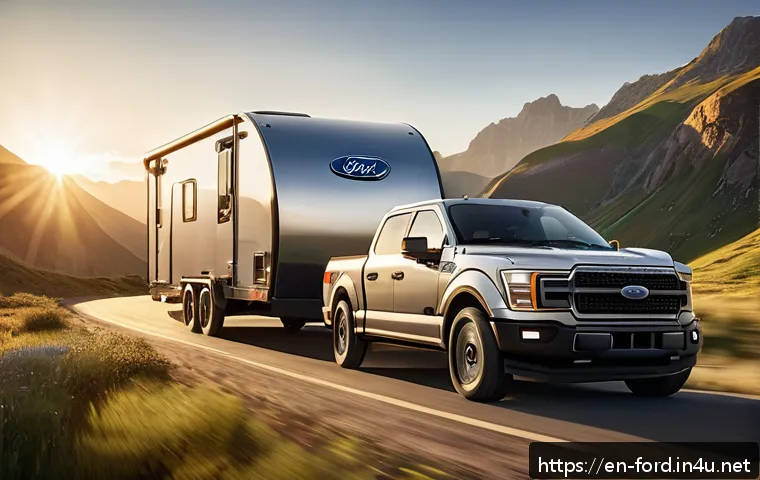
Regular towing is one of the clearest reasons to investigate a diesel Ranger. The key word is regular. An owner who tows often may value the truck’s pulling characteristics and highway usability more than an owner who only tows a few times each year. Confirm all weights and legal limits for your trailer setup before treating any truck as suitable.
Long-Distance Drivers and Rural-Property Users
Drivers who cover regional routes or manage rural property may appreciate a pickup that can carry supplies, travel farther between stops, and handle varied road conditions. Yet local diesel station coverage and service access remain important. A good rural vehicle choice should be easy to fuel, maintain, insure, and repair in the areas where it will be used.
Selection Criteria and Comparison Summary
Use this checklist before making a diesel Ranger decision: compare the final dealer quote for equivalent trims; review finance payments and total contract terms; obtain insurance quotes for the exact configuration; verify payload, towing, and required trailer equipment; read warranty coverage and servicing conditions; and estimate fuel use from your own annual mileage, routes, and loading pattern.
Ask the dealer to identify the exact engine, drivetrain, trim, approved accessories, warranty terms, and any conditions attached to towing or commercial use. Then compare those answers with a petrol, hybrid, or alternative pickup that meets the same job requirements. For official specifications, finance details, warranty wording, and available configurations, check the relevant manufacturer and dealer information pages before signing.
A Practical Diesel Ranger Buying Checklist
Make a simple list of your normal weekly driving, annual mileage, trailer use, cargo weight, road conditions, and nearest service locations. Add the price of necessary equipment rather than assuming it is included. This keeps the decision focused on real operating needs.
Questions to Ask a Dealer Before Requesting a Final Quote
Ask which specifications apply to the exact vehicle, what towing equipment is approved, what servicing is required under heavy use, and what the warranty covers. Also ask whether quoted finance and insurance figures are based on the same trim and accessories you intend to purchase.
How to Compare Equivalent Trims, Warranty Coverage, and Running Costs
Build each quote around the same cab style, drive system, safety equipment, towing package, and work accessories. Review the warranty duration and exclusions as written for your country and model year. A fair comparison uses the same job, the same equipment, and the same ownership period for every powertrain.
Final Thoughts
A Ford Ranger diesel can be a sensible purchase when towing, distance, and work demands are routine rather than occasional. Its strongest benefits are practical: pulling confidence, useful range, and a work-focused character. For mostly urban, lightly loaded driving, another powertrain may provide a more balanced ownership experience. The decision should come from your routes, loads, local fuel conditions, service access, and total ownership costs.
Useful Things to Know
1. A towing rating does not replace a payload check.
2. Actual fuel use can vary substantially with load, terrain, weather, tyres, and driving style.
3. Diesel availability, emissions requirements, taxes, trims, and warranty terms can differ by location.
4. Comparing dealer quotes only works when the trucks have equivalent equipment and intended use.
Important Notes
Diesel Ranger availability, engine details, towing limits, payload ratings, pricing, trims, and warranty coverage vary by country, model year, and configuration. This guide is intended to help structure a comparison, not to replace the official specifications, local legal requirements, insurance terms, or written dealer documentation for the vehicle you are considering.
Frequently Asked Questions
Q1. Is a Ford Ranger diesel worth the extra cost for towing?
A1. It may be worth the extra cost if you tow regularly and benefit from low-rev torque, highway range, and work-oriented driving characteristics. Compare the exact vehicle’s towing and payload ratings, approved trailer equipment, fuel costs, finance payment, and warranty terms before deciding.
Q2. Is a diesel Ranger a good choice for mostly city driving?
A2. It can be used in the city, but its main advantages may be less valuable when driving consists mostly of short, stop-start trips with light loads. A petrol, hybrid, or another pickup option may deserve a close comparison if urban driving is your normal routine.
Q3. What costs should I compare before choosing a diesel pickup over a petrol or hybrid model?
A3. Compare the purchase price, finance terms, insurance quote, local fuel prices, expected annual mileage, servicing needs, warranty coverage, tyres, accessories, and resale expectations. Include the cost of any towing equipment or work upgrades needed to make each truck suitable for the same task.